 Skip to content
 QIDI Box
If you’ve been exploring the 3D printing world lately, chances are you’ve come across the name QIDI Box. And if you’re wondering what exactly it is and whether it belongs in your workshop, you’re in exactly the right place.
The QIDI Box is not a standalone 3D printer in the traditional sense — it’s a smart, enclosed multi-material automatic filament switching system. Think of it as QIDI’s answer to the Bambu Lab AMS (Automatic Material System). Developed by QIDI Technology, a company that has been building desktop 3D printers since 2014, the QIDI Box is designed to work in tandem with QIDI’s own enclosed 3D printers, dramatically expanding what those machines can do in terms of color range and material versatility.
What makes the QIDI Box genuinely exciting is its ambition. Rather than being a passive spool holder or a simple filament dryer, it is a purpose-built ecosystem device featuring active heated storage, NFC filament recognition, tangle detection, and hardened steel extrusion that can handle even the most demanding composite materials. It’s designed to sit beside your printer, feed filament automatically, and keep your spools in perfect condition throughout the entire print job.
In this QIDI Box review, we’ll walk you through everything: the full specs breakdown, the features, the setup experience, filament compatibility, printing quality, a comparison with Bambu Lab’s system, and an honest answer to whether the QIDI Box is worth your money in 2026.

2. QIDI Box Features Overview
At its core, the QIDI Box is designed to solve one of the most persistent frustrations in desktop 3D printing: managing multiple filaments reliably, keeping them dry, and switching between them without user intervention. Let me walk you through its standout features one by one.
Active Heated Filament Storage. The QIDI Box includes built-in active heating that maintains the internal chamber at up to 65°C. This is critically important because moisture-sensitive engineering filaments like Nylon, TPU, and carbon fiber composites degrade quickly in humid environments. By keeping spools warm and dry during the entire print, the QIDI Box prevents the stringing, bubbling, and poor adhesion that wet filament causes.
NFC Filament Recognition. One of the most convenient features is automatic NFC-based filament detection. When you load a QIDI-branded spool, the system automatically reads the filament type and applies the correct print settings — no manual input required. This is a real time-saver, especially for users who regularly switch between different materials.
Tangle Detection. The QIDI Box monitors filament flow in real time and alerts you when it detects a tangle before it becomes a mid-print failure. This kind of proactive monitoring is something that experienced makers truly appreciate, as a filament tangle that goes unnoticed can ruin hours of printing.
Hardened Steel Extrusion System. The Box uses a hardened steel dual-gear extruder that delivers stable, durable feeding across a wide range of materials, including abrasive filaments like carbon fiber and fiberglass composites. This is not something you find in every multi-material system at this price point.
Automatic Filament Reload and Switching. The QIDI Box switches between spools seamlessly, ensuring near-nonstop printing and minimal filament waste. When one spool runs out, the system can automatically transition to the next loaded spool, reducing the chances of a failed print due to running out of material.
Expandable Multi-Color System. This is where things get really interesting. The QIDI Box can be chained with additional units — up to four boxes can be connected to a single compatible printer, unlocking support for up to 16 different materials or colors in a single print session. For makers working on complex, colorful models or multi-material functional parts, this is a remarkable capability.
Safety Features. QIDI has built a robust safety system into the Box, combining a smart PTC fuse with dual temperature sensors that monitor conditions in real time and cut power instantly if abnormal heat is detected. The unit is also constructed from flame-retardant materials and includes a high-efficiency filtration system that captures 99.5% of dust and particles.
QIDI Box
All-in-One 3D Printing Solution
Complete Printing Station
All-in-one 3D printing solution from QIDI Tech. Integrated printer, wash & cure station, and smart software for seamless workflow from design to finished part.
3. QIDI Box Specs Breakdown
Let’s get into the numbers. Here are the official technical specifications for the QIDI Box based on information from QIDI’s official product pages and documentation:
| Specification | Detail |
|---|---|
| Spool Capacity | 4 filament spools per unit |
| Max Colors / Materials | Up to 16 (with 4 chained QIDI Box units) |
| Heated Chamber Temperature | Up to 65°C (active PTC heating) |
| Extruder Type | Stepper motor-driven, hardened steel dual-gear |
| Filament Diameter | 1.75 mm |
| Filament Recognition | NFC-based automatic detection (QIDI filaments) |
| Tangle Detection | Yes — real-time monitoring |
| Safety System | Smart PTC fuse + dual temperature sensors |
| Air Filtration | 99.5% particulate capture efficiency |
| Compatible Printers | QIDI Plus4, QIDI Q2, QIDI Max4 |
| Connectivity | Signal cable to printer hub |
| Construction Materials | Flame-retardant housing |
| Drying Function | Yes — active drying while printing |
A few specs deserve extra attention. The 65°C active heating is a genuine differentiator — most competing multi-material systems at this price range offer no active heating whatsoever, leaving your filament exposed to ambient humidity throughout long print jobs. The hardened steel extrusion is equally impressive, because it means you’re not limited to basic PLA or PETG: abrasive composites like carbon fiber and fiberglass can be fed through without damaging the system over time.
4. QIDI Box Enclosure System Explained
The enclosure system of the QIDI Box is one of its most thoughtful design elements, and it’s worth spending some time understanding why it matters so much in practical use.
Traditional multi-material systems simply store spools at room temperature and route filament to the printer on demand. This works fine for stable, non-hygroscopic materials like PLA. But the moment you start working with engineering-grade filaments — Nylon, TPU, PETG, ABS, carbon fiber composites — moisture becomes your enemy. These materials absorb water from the air, and even a few hours of exposure can significantly degrade print quality, causing bubbles, stringing, weak layer adhesion, and surface defects.
The QIDI Box addresses this at the hardware level. Its enclosed chamber maintains a controlled, heated environment of up to 65°C around all four filament spools simultaneously. This active thermal environment not only prevents moisture absorption during storage but actively dries filament that may have already absorbed some humidity. You can print and dry simultaneously, which is something a passive storage box simply cannot offer.
There is also a rubber plug at the rear of the unit that should be opened during the drying cycle — a small but important detail that users should keep in mind from day one. When set up correctly, the drying function of the QIDI Box works very well, and independent reviewers have consistently praised this aspect of its design even when other features received more mixed feedback.
The enclosure design also contributes to the multi-material switching process. Each of the four filament slots has its own individual stepper motor-driven extruder, meaning each spool is fed independently. This is the same approach taken by Bambu Lab’s AMS, and it’s the right way to do multi-material switching reliably. When the printer calls for a color or material change, the QIDI Box takes over the feed for the new spool and retracts the previous one — all automatically.
The filament path from the Box to the printer runs through PTFE tubes and a filament hub mounted on the printer. The design is compact and the connection system is straightforward, though early production units experienced some friction issues in the filament path that we’ll discuss in the printing quality section.

5. Setup and First Print Experience
One of the first questions any buyer asks is: how hard is it to get this thing running? Let’s be honest about the QIDI Box setup experience.
The QIDI Box arrives with its own quick start guides — including separate guides for compatibility with different QIDI printer models (Plus4, Q2, and Max4). The unit comes mostly ready to use out of the box. Included in the package are PTFE tubes, a filament hub, power and signal cords, filament tube guides, and desiccant for the drying chamber.
Physical installation is not particularly complex. The filament hub mounts onto the printer, the PTFE tubes connect the Box to the hub, and the power and signal cables plug into both devices. QIDI has made the connection system reasonably intuitive, and most users report getting the hardware connected within 20 to 30 minutes on their first attempt.
The QIDI Box does not have its own display or user interface. All interaction happens through the compatible printer’s touchscreen or through QIDI Studio — the company’s custom slicing software, which is based on Bambu Studio (itself derived from PrusaSlicer). For users already familiar with Bambu Studio, QIDI Studio will feel immediately comfortable. The stock profiles are well-configured, and the software handles multi-material slicing in a way that experienced makers will find intuitive.
Loading filament into the four slots is a manual process. Since there is no external release mechanism on the individual extruders, all filament loading and unloading is managed through the printer’s touchscreen. This is a minor inconvenience compared to some competing systems, but once the filament is loaded and the NFC tags are recognized, the system handles material management automatically from that point on.
For the first print, single-color prints on a properly set-up QIDI Box work without drama. The heated drying chamber activates as expected, filament feeds smoothly to the printer, and the NFC recognition correctly identifies QIDI-branded spools and applies the right parameters automatically. Where things get more nuanced is with multi-color switching — which we’ll cover in the printing quality section.
6. Filament Compatibility and Materials
One of the strongest arguments for the QIDI Box is its filament compatibility. This is not a system designed only for PLA hobbyists — it was built with engineering-grade materials in mind from the ground up.
Here is an overview of what the QIDI Box supports:
| Material Category | Supported Filaments |
|---|---|
| Standard Filaments | PLA, PLA+, PETG |
| Flexible Filaments | TPU (95A and harder; very soft TPU may have feeding issues) |
| Engineering Filaments | ABS, ASA, PC (Polycarbonate), PA (Nylon), PA6, PA11, PA12 |
| Composite / Abrasive | Carbon fiber reinforced (PA-CF, PET-CF, ABS-CF, ABS-GF), fiberglass composites |
| High-Performance | PPA-CF/GF, PPS-CF (requires paired printer support) |
| Support Materials | PVA (dissolvable), HIPS (breakaway) |
The hardened steel extruder system is the key enabler here. Standard brass extruders wear down quickly when feeding abrasive carbon fiber or fiberglass-loaded filaments. With hardened steel, the QIDI Box can run these demanding materials day after day without significant wear to the feeding mechanism.
The active 65°C heated chamber is equally critical for engineering filament users. Nylon in particular is notoriously hygroscopic — it can absorb enough moisture from the air in just a few hours to cause visible print defects. With the QIDI Box maintaining a controlled thermal environment, Nylon and similar materials stay in optimal condition throughout even the longest print jobs.
It’s worth noting that the NFC auto-recognition feature works specifically with QIDI-branded filament spools. Third-party spools from other manufacturers will still feed and print correctly — the Box is not locked to QIDI filament — but you will need to set the material parameters manually in QIDI Studio rather than relying on automatic detection. For users who prefer to use a variety of filament brands, this is a minor inconvenience rather than a hard limitation.
The QIDI Box also supports snap-away support materials and dissolvable filaments like PVA, giving makers flexible options for handling complex overhangs and internal geometries in multi-material prints.

7. Printing Quality and Real Results
This is where we need to be straightforward with you, because the QIDI Box’s printing quality story has two distinct chapters: its performance as a filament dryer and single-feed system, and its performance as a full multi-color switching system.
As a filament dryer and single-color feeder: Excellent. The active 65°C heating does its job consistently. Filament fed through the QIDI Box to a compatible printer produces high-quality results. In independent tests using materials like ABS-GF, PA-CF, and standard PLA, prints fed through the Box showed good layer adhesion, consistent extrusion, and clean surface finish — results that match or exceed what you would get from a conventional direct-spool setup, with the added benefit of conditioned, moisture-free filament.
On standard prints with a 0.2mm layer height and print speeds averaging 150-170 mm/s on compatible QIDI printers, the Box handles feeding duties without drama. Filament arrives at the printer’s extruder consistently, and the hardened steel gears show no signs of struggle even with abrasive composite materials.
As a multi-color automatic switching system: More complex, and more nuanced. Early production units of the QIDI Box — those reviewed by major hardware publications in late 2025 — experienced notable friction issues in the filament path between the Box and the printer’s extruder. The sharply curved PTFE tube routing in early units caused filament to bind during color-change sequences, making multi-color prints unreliable or impossible to complete. This issue was particularly acute with softer filaments like flexible TPU.
QIDI acknowledged these early unit issues and stated that they were actively working on firmware improvements and hardware refinements. The company described the units with these issues as early production samples. For users who purchased the QIDI Box after these initial units were addressed, experiences have generally been more positive, though multi-color reliability can still vary depending on the filament combination and the complexity of the color-change sequence.
The bottom line on printing quality: if your primary need is reliable, high-quality single-material printing with the added benefit of active filament drying and conditioning, the QIDI Box delivers real, tangible value. If your primary goal is seamless plug-and-play multi-color switching on the level of Bambu Lab’s AMS, manage your expectations and stay current with QIDI’s firmware updates.
8. QIDI Box vs Bambu Lab AMS Comparison
The comparison everyone wants to see. How does the QIDI Box stack up against Bambu Lab’s AMS system — the current benchmark for consumer multi-material printing?
| Feature | QIDI Box | Bambu Lab AMS |
|---|---|---|
| Spool Capacity (per unit) | 4 spools | 4 spools |
| Max Colors (expanded) | Up to 16 (4 units chained) | Up to 16 (4 AMS units) |
| Active Filament Drying | Yes — up to 65°C while printing | No active heating |
| Filament Recognition | NFC (QIDI spools) | RFID (Bambu Lab spools) |
| Third-Party Filament Support | Yes (manual settings) | Yes (manual settings) |
| Extruder Type | Hardened steel dual-gear | Standard extruder |
| Abrasive Material Support | Yes — CF, GF composites | Limited (requires specific nozzle) |
| Ecosystem | Open source (Klipper-based) | Closed source |
| Software Polish | Good — improving | Excellent — highly refined |
| Multi-Color Reliability | Good (after firmware updates) | Excellent — industry-leading |
| Tangle Detection | Yes | Yes |
The clearest advantage the QIDI Box holds over Bambu Lab’s AMS is its active filament drying capability. Bambu’s AMS stores spools at ambient room temperature — fine for PLA, but potentially problematic for moisture-sensitive engineering materials like Nylon or TPU over long prints. The QIDI Box’s 65°C active heating addresses this directly and is a meaningful advantage for anyone working with advanced materials.
The QIDI Box also benefits from a more open ecosystem. Compatible QIDI printers run Klipper firmware, giving users full access to configuration and tuning. Bambu Lab’s closed ecosystem offers an extraordinarily polished experience but limits how much you can customize or modify your setup.
On the other hand, Bambu Lab’s AMS is the more mature and refined system right now. Its multi-color switching is smoother, its software integration is more seamless, and the overall plug-and-play experience is more consistent out of the box. The price-to-performance ratio of a QIDI Q2 Combo — printer plus QIDI Box — typically comes in meaningfully lower than a comparable Bambu Lab P1S Combo, making the QIDI ecosystem an attractive option for budget-conscious makers who are willing to accept a slightly steeper learning curve.
The honest summary: if you print engineering materials and want active filament drying, the QIDI Box has a genuine advantage. If you want the most polished multi-color experience with the least friction, Bambu Lab’s AMS is still ahead.

9. Price and Value Proposition
Let’s talk about money — always an important part of any buying decision.
The QIDI Box is available as a standalone purchase or as part of a combo bundle with a compatible QIDI printer. Based on official QIDI store pricing and market data as of 2026:
| Configuration | Approximate Price (USD) |
|---|---|
| QIDI Box (standalone) | ~$228 |
| QIDI Q2 (printer only) | $499 |
| QIDI Q2 Combo (printer + Box) | $649 |
| QIDI Plus4 (printer only) | $799 |
| QIDI Q2 Combo vs Bambu P1S Combo | QIDI ~$649 vs Bambu ~$799–$999 |
The value proposition of the QIDI Box becomes clearest when you consider what you’re getting relative to alternatives. At approximately $228 standalone, you’re getting a 4-spool active filament dryer, multi-material feeder with hardened steel extrusion, NFC filament recognition, tangle detection, and 65°C heated storage. A dedicated standalone filament dryer from most brands costs $50–$100 on its own — and it does nothing except dry filament passively.
For users of the QIDI Q2 or Plus4 who primarily work with engineering materials, the QIDI Box earns its price as a filament conditioning system alone. The multi-color capability is a meaningful bonus on top of that core function.
The Q2 Combo pricing of $649 is particularly competitive compared to Bambu Lab’s AMS-equipped bundles, which start around $799 and go higher. That price gap is significant, especially given that the QIDI setup offers active filament drying and an open-source printer ecosystem that the Bambu option does not.
Where the value calculation becomes trickier is for users whose sole priority is flawless, plug-and-play multi-color printing. In that use case, the extra reliability and polish of Bambu’s AMS may justify the higher price for some buyers.
10. Final Verdict: Is QIDI Box Worth It?
After looking at everything — the features, the specs, the setup experience, the filament compatibility, the print quality, the competitor comparison, and the price — here’s our honest conclusion.
The QIDI Box is genuinely impressive hardware with a few important caveats.
On the hardware side, QIDI has built something thoughtful and capable. The 65°C active heated chamber is a real differentiator that no competing system at this price point can match. The hardened steel extrusion system makes it one of the few multi-material feeders capable of handling abrasive composite filaments reliably. The expandable 16-color potential through chained units is impressive on paper and increasingly viable in practice as the firmware matures.
The NFC filament recognition, tangle detection, and automatic filament reload round out a feature set that punches well above the price point, especially when you compare the $228 standalone QIDI Box to dedicated filament dryers that do far less.
Where you need to be realistic is around multi-color switching reliability. Early production units had documented friction and jamming issues that affected color-change sequences. QIDI has been working on these issues through firmware and hardware improvements, and later units have shown meaningfully better performance. That said, if your workflow depends on consistent, production-quality multi-color output, stay current with QIDI’s official firmware updates and community feedback before committing to that use case.
Who the QIDI Box is perfect for:
- Users of QIDI Q2, Plus4, or Max4 who work with engineering-grade materials and need reliable filament drying
- Makers who want to expand into multi-material printing without Bambu Lab’s closed ecosystem
- Budget-conscious buyers who want active filament management at a competitive price
- Anyone who chains multiple units for a high-color-count creative workflow
Who might want to look elsewhere:
- Makers whose top priority is plug-and-play multi-color reliability with zero troubleshooting
- Users invested in the Bambu Lab ecosystem who want seamless software integration
- Beginners who want the simplest possible out-of-box multi-color experience
Expert Perspective: The QIDI Box represents a strategic move toward enclosed, user-friendly 3D printing systems aimed at stability and material versatility. Compared to open-frame competitors and even some enclosed alternatives, its focus on controlled thermal environments and consistent filament conditioning gives it a genuine edge for engineering material workflows. The multi-color system is a work in progress — but the foundation is solid, the price is right, and QIDI’s track record of improving products through updates gives reason for optimism.
Final Score Summary:
| Category | Rating |
|---|---|
| Build Quality & Hardware | ⭐⭐⭐⭐⭐ Excellent |
| Filament Drying Performance | ⭐⭐⭐⭐⭐ Excellent |
| Material Compatibility | ⭐⭐⭐⭐⭐ Excellent |
| Multi-Color Switching | ⭐⭐⭐ Good (improving) |
| Software & Ecosystem | ⭐⭐⭐⭐ Very Good |
| Value for Money | ⭐⭐⭐⭐⭐ Excellent |
| Setup & Ease of Use | ⭐⭐⭐⭐ Very Good |
| Overall | ⭐⭐⭐⭐ Very Good |
The QIDI Box is absolutely worth considering if you’re already in the QIDI ecosystem or planning to join it. It brings a level of filament care and material versatility that few systems at this price can match. Is it perfect? Not yet. But the hardware foundation is strong, the price is fair, and it continues to get better with every update.
For engineering material enthusiasts especially, the QIDI Box is not just an accessory — it’s a genuine upgrade to the quality and consistency of every print you make.
English:
Great review of the QIDI Box! The article is clear, informative, and really helped me understand the features and real performance of the printer. I like how the site explains technical details in a simple way. Definitely one of the best resources for 3D printer insights. Español:
Excelente análisis del QIDI Box. El contenido es muy claro y fácil de entender, incluso para quienes no son expertos. Me gustó mucho la comparación y la explicación de las funciones. El sitio es muy útil para elegir impresoras 3D. العربية:
مراجعة رائعة لجهاز QIDI Box. الشرح كان واضحًا ومفصلًا وساعدني على فهم ميزات الطابعة بشكل أفضل. الموقع يقدم معلومات قيمة بطريقة بسيطة وسهلة. أنصح به لكل المهتمين بالطباعة ثلاثية الأبعاد. 中文:
这篇关于QIDI Box的评测非常专业,内容清晰易懂,让我更好地了解了这款3D打印机的性能和特点。网站的信息很全面,对选择打印机非常有帮助。非常推荐!
Polimerukr.com
Ukraine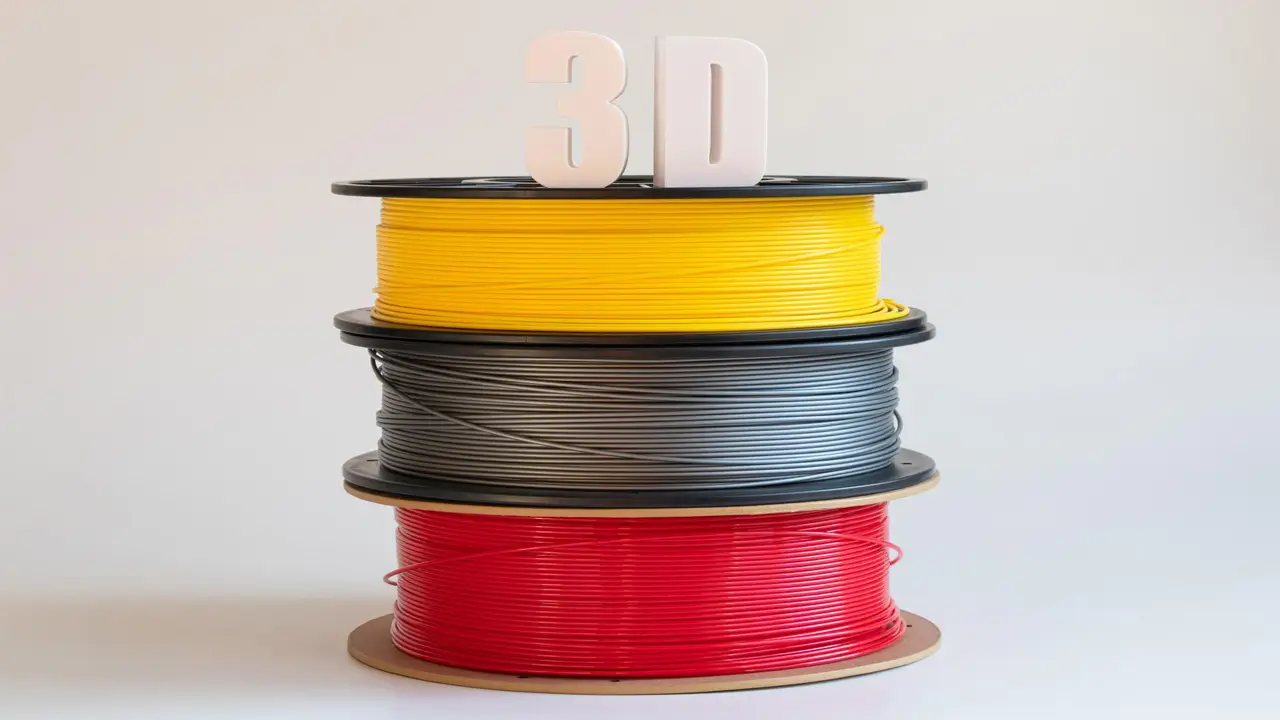
3D Printing Materials & Supplies
Your trusted source for high-quality 3D printing materials in Ukraine. Wide selection of filaments, resins, and accessories for all printer types with fast local shipping.
Discover more from bestchina3dprinters.com
Subscribe to get the latest posts sent to your email.
