 Skip to content
 Bambu Lab 3D Printer Lineup
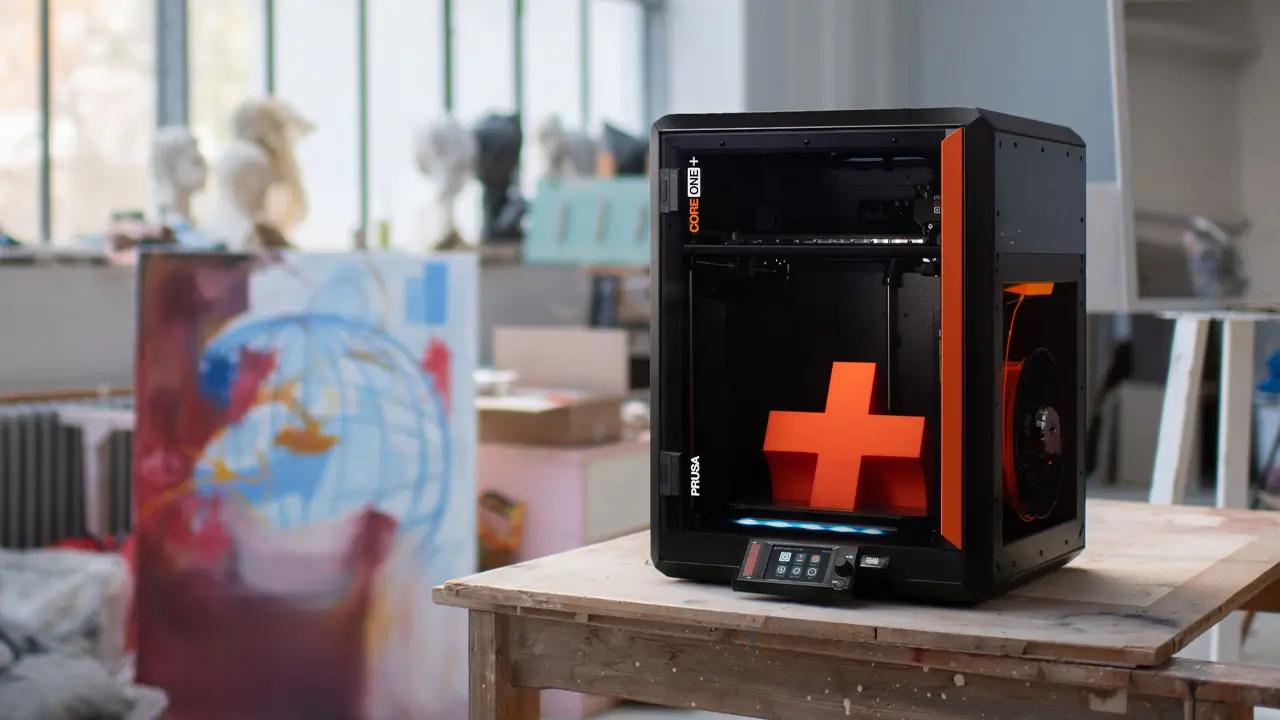
Prusa CORE One: A Friendly, Complete Introduction to Prusa’s Enclosed CoreXY Printer
If you have been browsing forums, YouTube reviews, or maker groups lately, you have probably run into the name Prusa […]
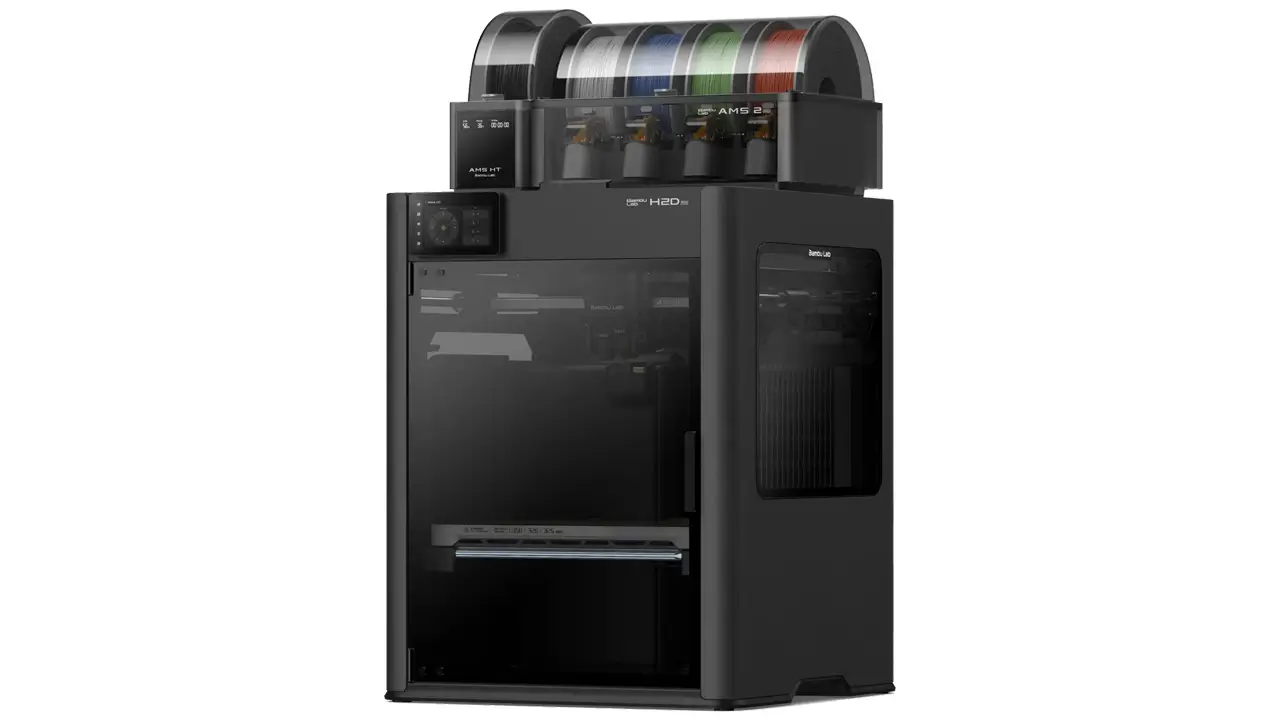
Bambu Lab H2D: Review, Specs & Price 2026
If you have been following desktop 3D printing over the past year, you have almost certainly seen the name pop […]
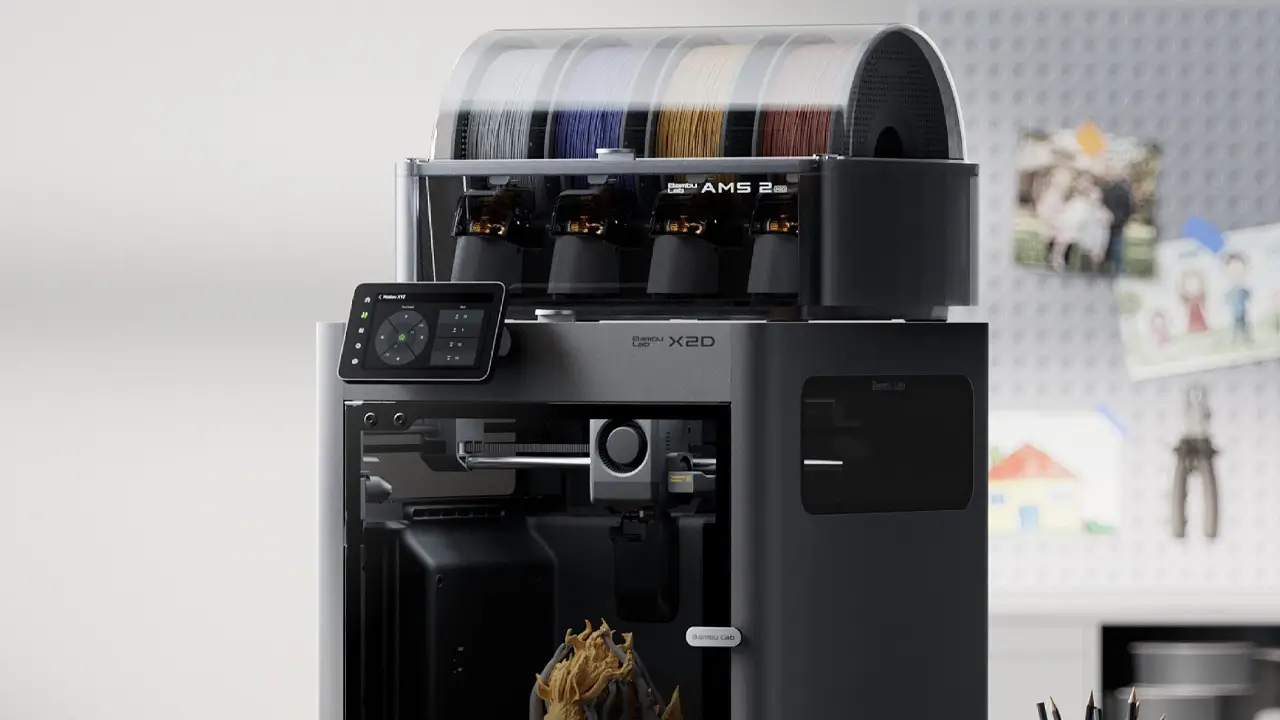
Bambu Lab X2D: The Friendly Giant of Dual-Nozzle 3D Printing — Full Overview, Specs, and Buying Guide
If you’ve been anywhere near the 3D printing community lately, you’ve probably heard the buzz. The Bambu Lab X2D has […]
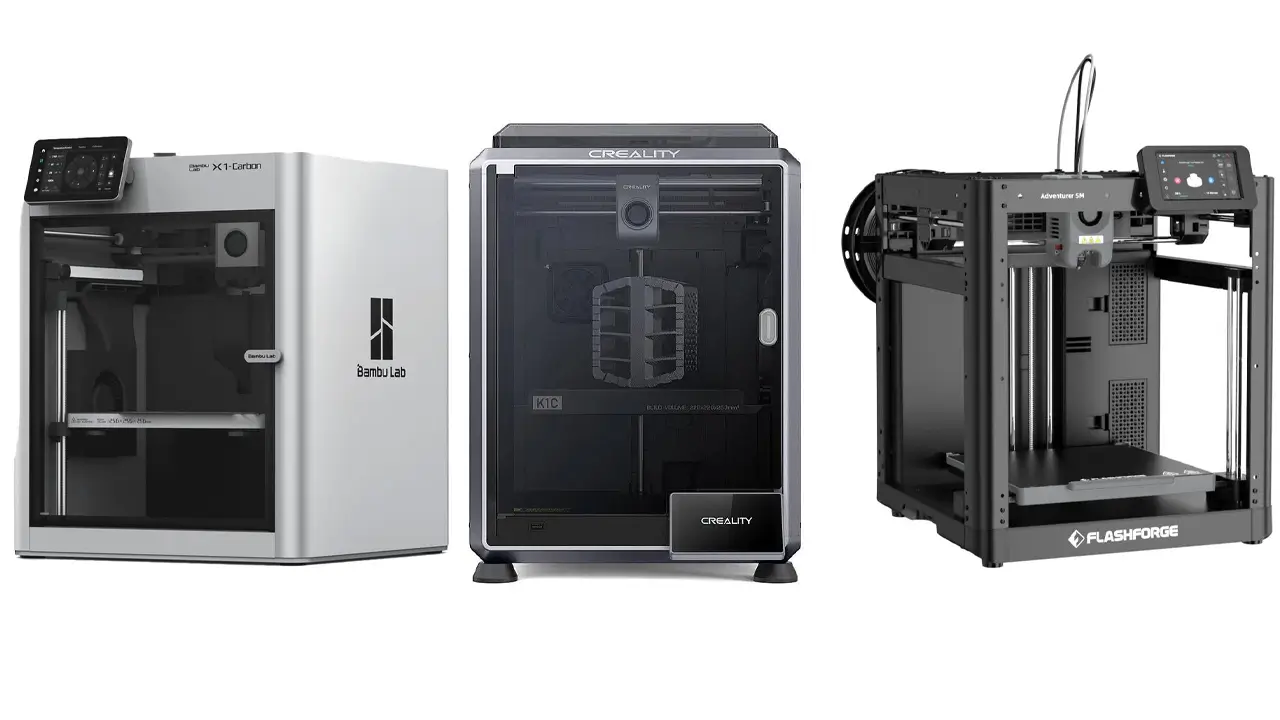
Flashforge vs Bambu Lab vs Creality 2026: The Ultimate Brand Comparison
Flashforge vs Bambu Lab vs Creality 2026: The Ultimate Brand Comparison Flashforge vs Bambu Lab vs Creality 2026 — Which […]
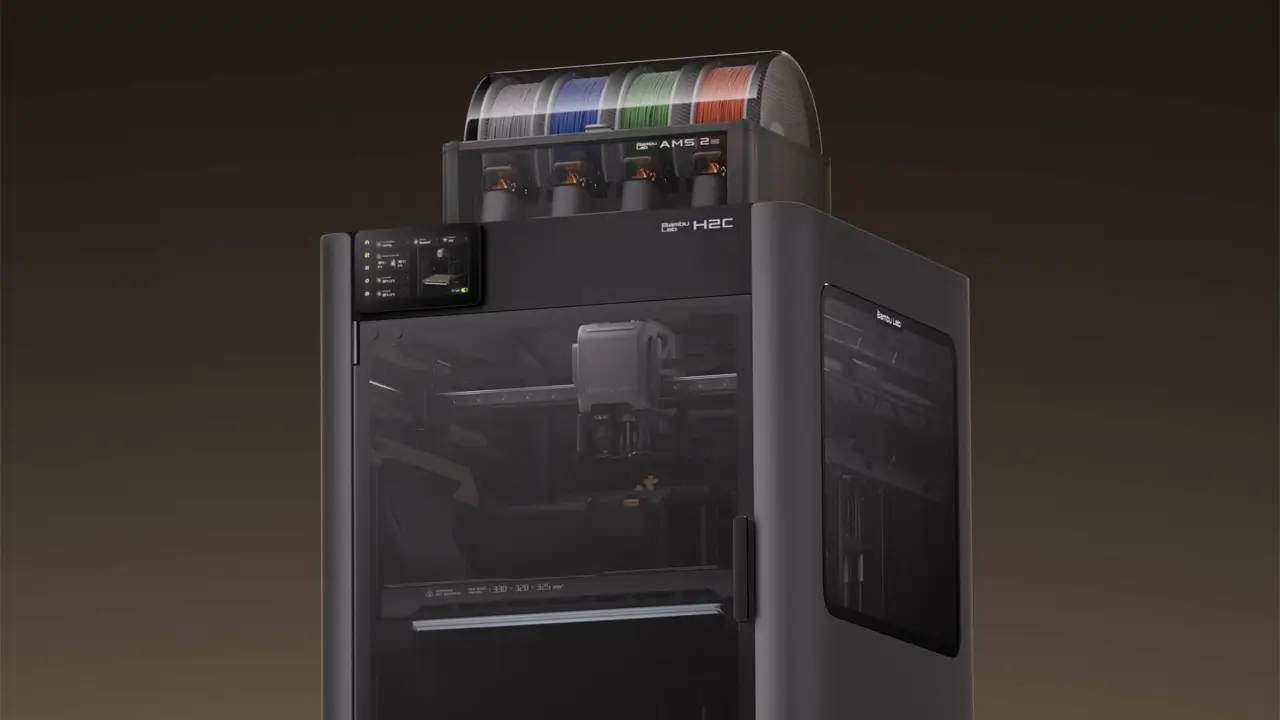
Bambu Lab H2C Review: Specs, Price & Upgrade Guide
Bambu Lab H2C Review: Specs, Price & Upgrade Guide Introduction to Bambu Lab H2C If you follow the world of […]

Bambu Lab P2S 3D Printer Review – Specs, Speed and Features
Bambu Lab P2S 3D Printer Review – Specs, Speed and Features Bambu Lab P2S 3D Printer If you’ve been following […]
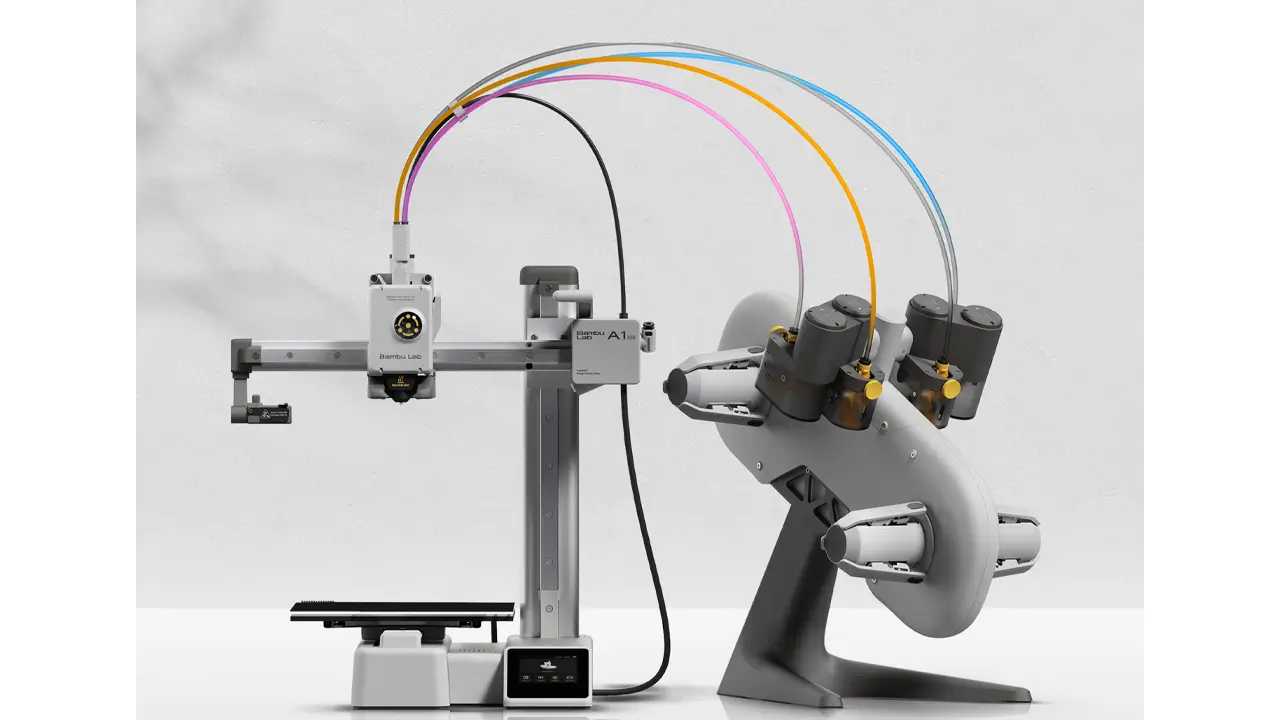
Bambu Lab A1 Mini Review – Specs, Speed & Price
Bambu Lab A1 Mini Review – Specs, Speed & Price Introduction to Bambu Lab A1 Mini If you’ve been keeping […]
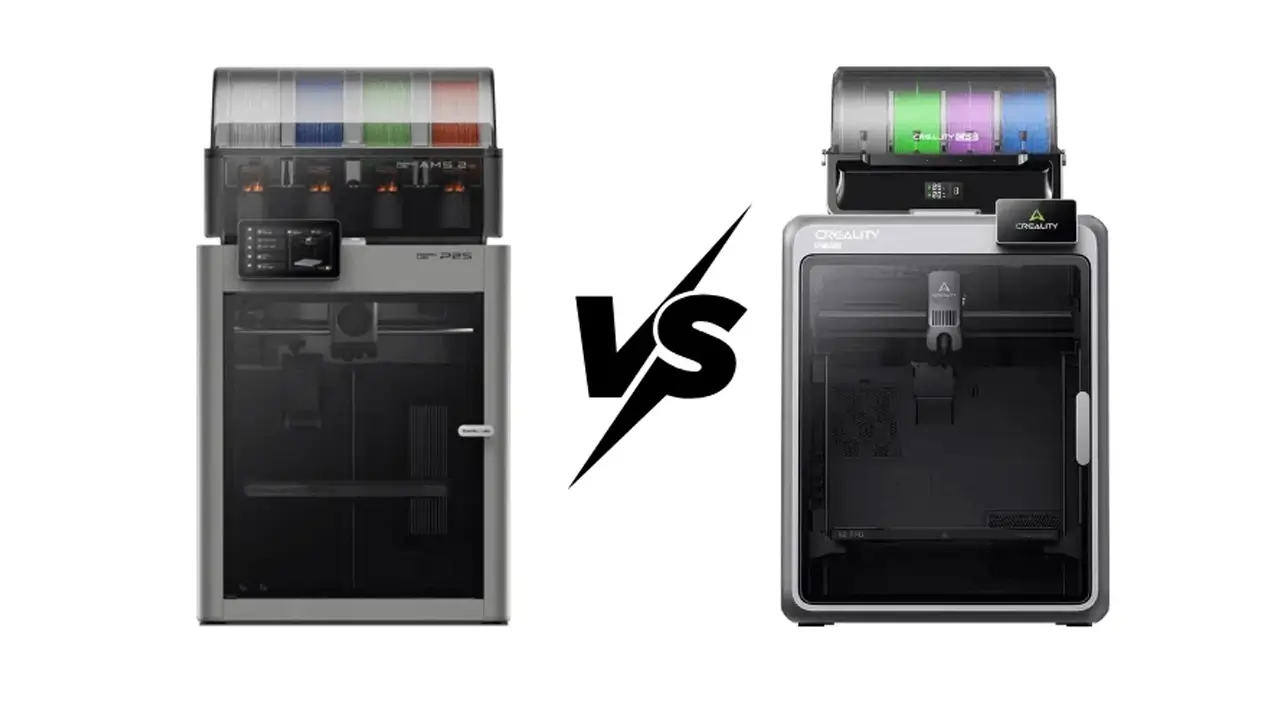
Bambu Lab vs Creality Comparison: Which 3D Printer Brand Wins in 2026?
Bambu Lab vs Creality Comparison: Which 3D Printer Brand Wins in 2026? When diving into the world of 3D printing, […]

Bambu Lab P1S Review: Fast CoreXY 3D Printer
Bambu Lab P1S Review: Fast CoreXY 3D Printer Bambu Lab P1S Review: Fast CoreXY 3D Printer If you’ve been searching […]

Bambu Lab X1 Carbon Review – Specs, Price & Performance
Bambu Lab X1 Carbon Review – Specs, Price & Performance When the Bambu Lab X1 Carbon arrived on the desktop […]
Introduction to Bambu Lab
If you’ve spent any time in the 3D printing community over the last couple of years, you’ve almost certainly heard of Bambu Lab. This company burst onto the scene in 2022 and completely shook up an industry that had been relatively stagnant for years. Founded by a team of former DJI engineers, Bambu Lab brought drone-industry engineering discipline and a consumer-first mindset to desktop 3D printing — and the results speak for themselves.
The Bambu Lab 3D printer lineup quickly earned a reputation for speed, reliability, and smart automation that simply wasn’t available at competitive prices before. Named one of Time magazine’s Best Inventions of 2022, the flagship X1 Carbon immediately set a new benchmark. Today, Bambu Lab offers a diverse range of machines covering everything from compact entry-level printers to professional-grade workhorses.
At the core of Bambu Lab’s innovation is their commitment to high speed 3D printing without sacrificing quality. Their printers use advanced motion algorithms — vibration compensation and pressure advance — to reach speeds up to 500 mm/s with an acceleration of 20,000 mm/s². This is significantly faster than most traditional printers that operate at 40–80 mm/s. Pair that with an intelligent software ecosystem and factory-calibrated hardware, and you get a machine that truly works right out of the box.
Bambu Lab also firmly positioned itself as a leader in the CoreXY 3D printer segment. A CoreXY system uses two motors working in tandem to move the print head along X and Y axes simultaneously, enabling smoother and faster motion compared to Cartesian designs. This architecture, combined with their AI powered 3D printer features like spaghetti detection, first-layer scanning, and RFID filament recognition, gives Bambu Lab a technological edge that few competitors have matched.
Whether you’re a hobbyist printing creative models at home or a small business producing functional prototypes, the Bambu Lab 3D printer lineup has something designed exactly for your needs. Let’s explore each model in detail.
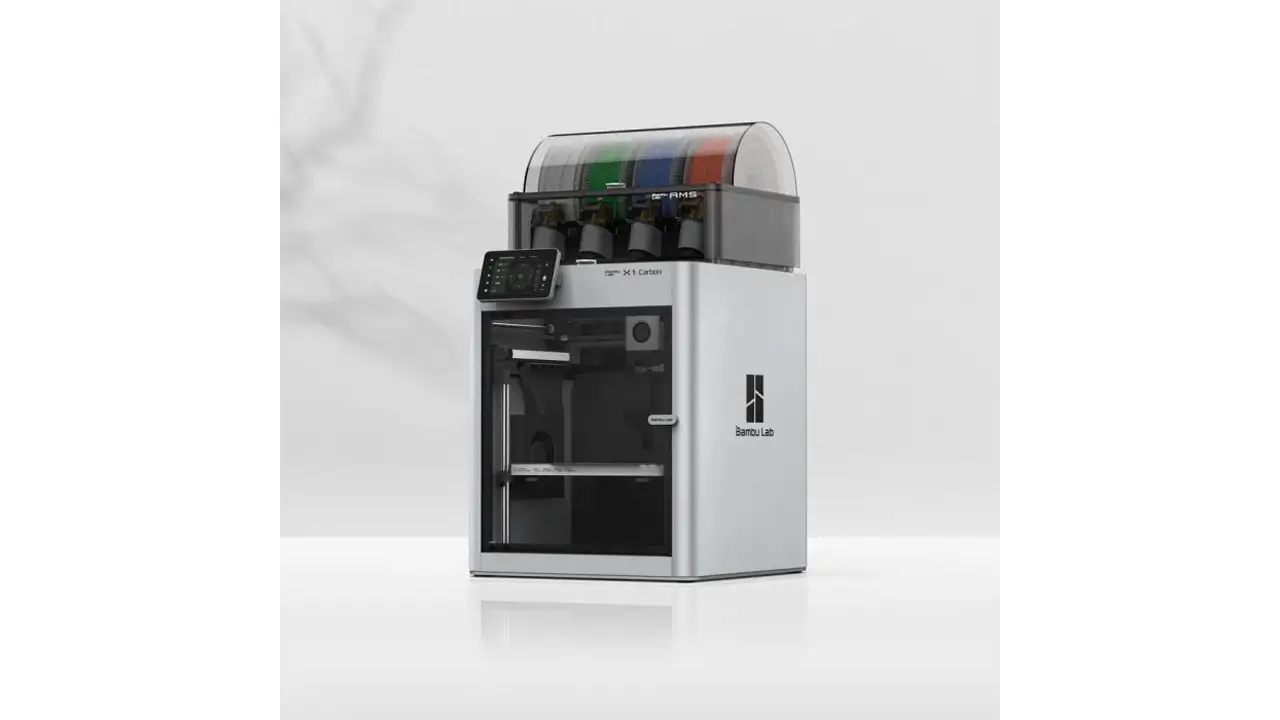
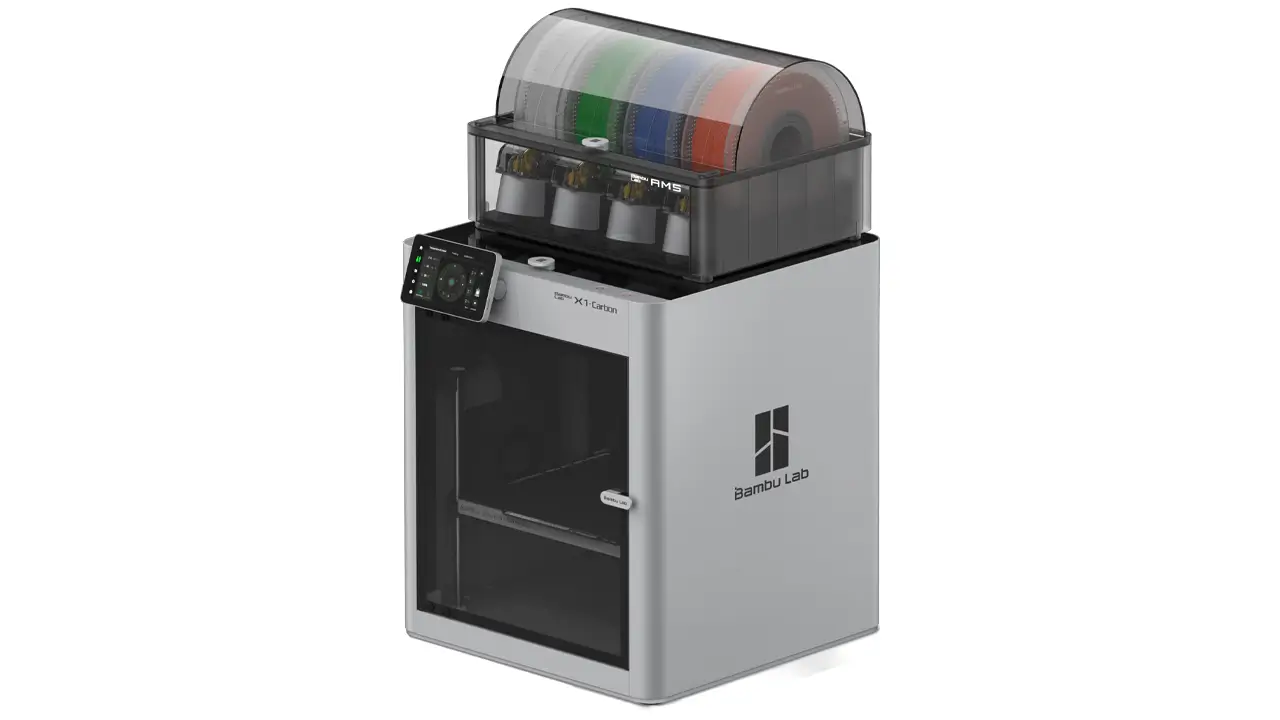
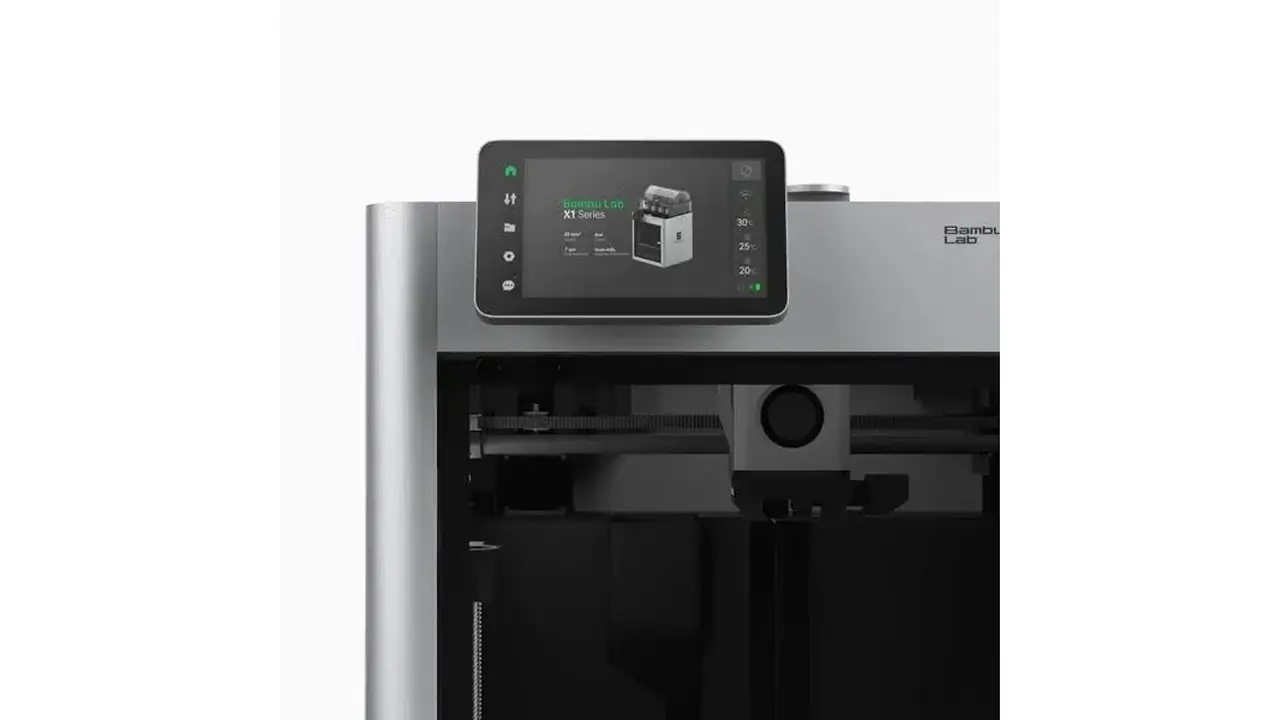
Bambu Lab X1 Carbon – Flagship Model
The Bambu Lab X1 Carbon (often written as X1C) is the crown jewel of the Bambu Lab family. Launched alongside the brand itself in 2022, it set an entirely new standard for what a consumer-grade printer could do. If you want the very best that Bambu Lab has built in the classic lineup, this is it.
At its heart, the X1 Carbon is a fully enclosed 3D printer built with an aluminum and glass chassis sitting on a welded steel XY frame. The build volume is 256 × 256 × 256 mm — a bit larger than the typical 220 × 220 × 220 mm found on many competitors — giving you more room to work with on bigger projects. The enclosure isn’t just for looks: it actively maintains chamber temperature, which is essential when working with engineering-grade materials.
Speaking of materials, the X1 Carbon was designed from the ground up for carbon fiber 3D printing and other abrasive filaments. Its all-metal hotend reaches 300°C, and the hardened steel nozzle (rated at 50 HRC) and carburized drive gear can handle carbon fiber, glass fiber-reinforced polymers, Nylon, Polycarbonate, and many more demanding materials without wearing down.
What truly separates the X1 Carbon from the rest of the Bambu Lab 3D printer lineup is its Micro LiDAR sensor. This 7-micron resolution sensor is mounted directly on the print head and serves multiple critical functions. It scans the first layer after it’s laid down, comparing height variations with incredible precision. It calibrates the flow dynamically. And it enables the dual automatic bed leveling system — combining LiDAR data with piezo force sensors in the bed to create a highly accurate mesh of the build surface.
The AI functions of this smart 3D printer with camera go even further. The built-in camera doesn’t just record a timelapse of your print — it actively monitors for “spaghetti failures,” where failed prints produce tangled strands of filament. Bambu Lab’s AI detects these failures with 86% confidence and can pause or stop the print automatically, saving both time and material. The camera also enables remote monitoring through the Bambu Handy mobile app, so you can check in on your prints from anywhere.
The X1 Carbon runs on a CoreXY 3D printer motion system with vibration compensation (input shaping) that allows it to print fast — up to 500 mm/s — without the ringing or ghosting artifacts that plague other high-speed machines. Combined with a large 5-inch touchscreen and Wi-Fi connectivity, the entire experience feels polished and modern. It’s no wonder this machine put Bambu Lab on the map.
Key Specs – X1 Carbon:
- Build Volume: 256 × 256 × 256 mm
- Max Speed: 500 mm/s
- Max Acceleration: 20,000 mm/s²
- Hotend Temp: up to 300°C
- Bed Temp: up to 120°C (110V) / 110°C (220V)
- Sensors: Micro LiDAR, AI Camera, Force Sensors
- Price: from ~$1,199 (printer only)

Bambu Lab P1S – Balanced Performance
If the X1 Carbon is the flagship, the Bambu Lab P1S is the practical all-rounder. It was introduced as a fully enclosed alternative to the open-frame P1P, targeting users who need a capable enclosed printer without the premium price tag of the X1 Carbon. At roughly $699, it sits in the sweet spot of the Bambu Lab 3D printer lineup — offering most of what you need for day-to-day serious printing.
The P1S shares the same CoreXY motion platform as the X1 Carbon, giving it identical speed and acceleration capabilities: 500 mm/s and 20,000 mm/s². It also shares the same 256 × 256 × 256 mm build volume. What you’re giving up compared to the X1 Carbon is primarily the Micro LiDAR sensor, the larger touchscreen, and some of the more advanced AI features. In their place, the P1S uses a D-pad interface and a standard camera for remote monitoring.
One area where the P1S genuinely excels is its automatic bed leveling 3D printer system. It uses a highly sensitive strain-gauge-based system to probe the bed surface, creating an accurate mesh for a reliable first layer every time. Combined with input shaping for vibration compensation and pressure advance for extrusion control, the P1S delivers print quality that’s nearly identical to the X1 Carbon in everyday use.
The P1S is also part of the Klipper based 3D printer ecosystem in spirit — while Bambu Lab runs their own modified firmware rather than stock Klipper, the underlying motion control principles of vibration compensation, pressure advance, and multi-zone bed leveling will be familiar to anyone who has worked with Klipper-based machines. Bambu Lab’s implementation is arguably more polished for out-of-the-box use, with factory calibration and guided setup.
The enclosure of the P1S is built from plastic side panels rather than aluminum, keeping costs down while still maintaining a sealed chamber for printing ABS, ASA, and similar materials. It also includes an auxiliary part cooling fan — an upgrade over the P1P — that improves cooling performance, particularly for bridging and overhangs. The P1S is compatible with the AMS system for multi-color printing and can support up to 16 colors when four AMS units are stacked.
For most users who want a reliable, enclosed, high-performance machine, the P1S is arguably the best value in the Bambu Lab 3D printer lineup. It’s a printer that handles the vast majority of use cases with ease.
Key Specs – P1S:
- Build Volume: 256 × 256 × 256 mm
- Max Speed: 500 mm/s
- Hotend Temp: up to 300°C
- Bed Temp: up to 100°C
- Enclosure: Yes (Plastic panels + glass door)
- AMS Compatible: Yes (up to 16 colors)
- Price: ~$699

Bambu Lab P1P – Modular Approach
The Bambu Lab P1P takes a different philosophy compared to its enclosed siblings. It’s an open-frame CoreXY 3D printer that prioritizes modularity and community customization. When it launched, Bambu Lab even released printable side panel files so users could design and attach their own custom panels — a nod to the maker culture that has always been central to the 3D printing community.
Under the hood, the P1P is mechanically identical to the P1S. It uses the same welded steel XY chassis, the same hotend capable of reaching 300°C, the same direct-drive extruder, and the same high speed 3D printing motion system that tops out at 500 mm/s. The build volume is again 256 × 256 × 256 mm. This means that the P1P punches well above its weight class when it comes to raw printing performance.
What makes the P1P unique in the Bambu Lab 3D printer lineup is its open-frame design. Without the enclosure, it’s better suited for materials that don’t require a heated chamber — primarily PLA, PETG, and TPU. It’s not ideal for ABS or ASA without adding an aftermarket enclosure. But for users who primarily print with common materials and want flexibility to modify or observe their printer, the P1P is a compelling choice.
The P1P is also upgradeable: Bambu Lab sells an upgrade kit that converts it to a full P1S by adding the enclosure components, an auxiliary cooling fan, and the necessary hardware. This upgrade path makes the P1P an interesting entry point for users who want to start with a more accessible option and expand later.
Key Specs – P1P:
- Build Volume: 256 × 256 × 256 mm
- Max Speed: 500 mm/s
- Hotend Temp: up to 300°C
- Enclosure: Open frame (modular, upgradeable)
- AMS Compatible: Yes
- Price: ~$599
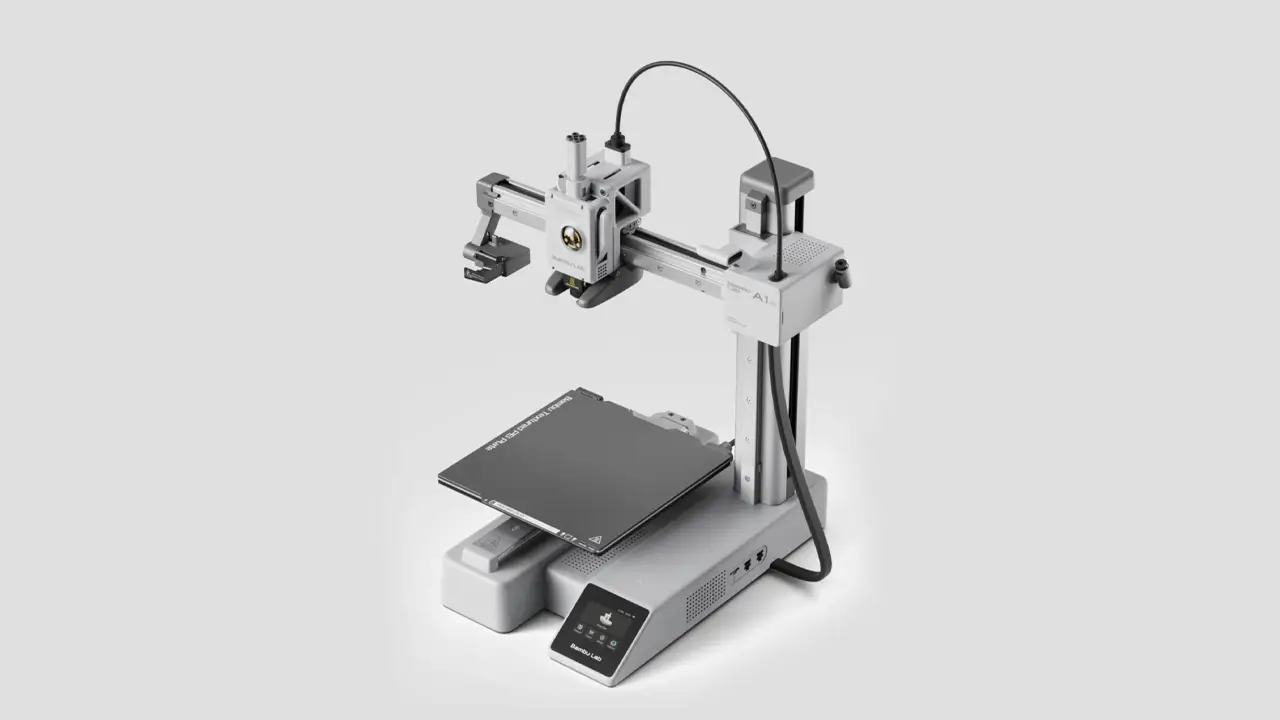
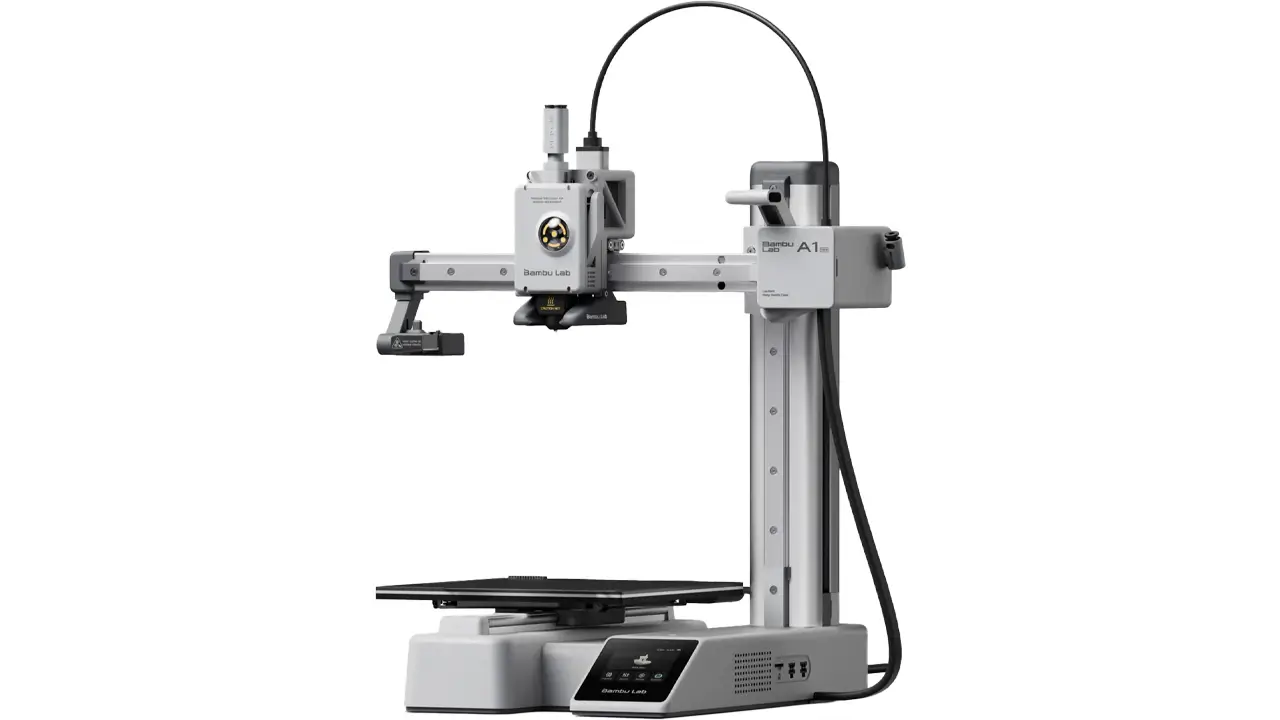
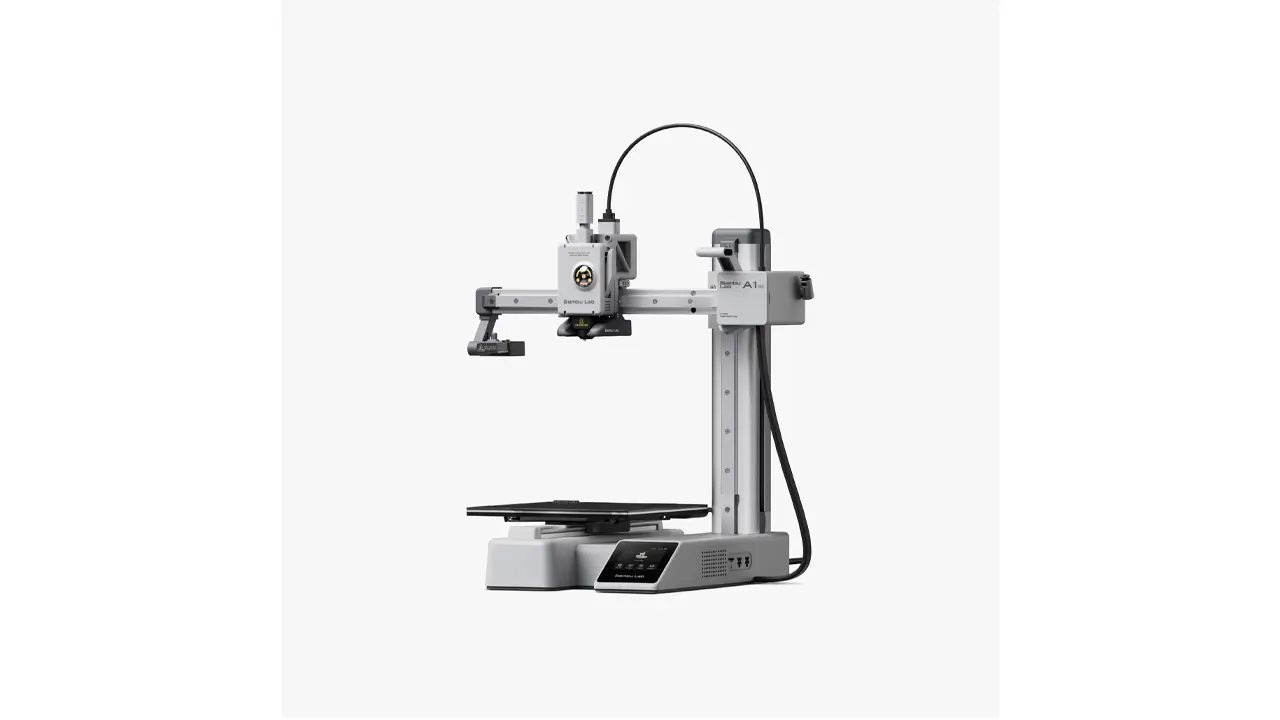
Bambu Lab A1 Mini – Compact Power
Don’t let the name fool you — the Bambu Lab A1 mini is anything but a diminished experience. It was designed as a compact, affordable, and highly capable printer for users who are just starting out or who don’t need the larger build volume of the X series. With a footprint that’s noticeably smaller than the X1 Carbon, the A1 mini fits comfortably on a desk or workbench without dominating the space.
The build volume is 180 × 180 × 180 mm, which is suitable for a wide variety of models, miniatures, household prints, and prototypes. The A1 mini uses a different motion system from the X series — it’s a bed-slinger design rather than CoreXY, where the print head moves in X and the bed moves in Y — but Bambu Lab has implemented it so cleverly that it still achieves impressive speeds and quality.
What’s particularly exciting about the A1 mini is its native support for multi color 3D printing. It uses the AMS Lite (Automatic Material System Lite), a slightly simplified version of the full AMS unit designed specifically for the A series. With the AMS Lite attached, the A1 mini can print with up to four different colors or materials in a single print — a remarkable capability for a printer in this price range.
The A1 mini supports PLA, PETG, TPU, and their support filament variants. It’s worth noting that it is not recommended for high-temperature materials like ABS, ASA, or PC, since it lacks an enclosure and heated chamber. For its target audience — beginners, students, hobbyists, and families — this is not a significant limitation. Most everyday 3D printing happens perfectly well with PLA and PETG.
Auto bed leveling is built in, making setup simple and approachable. The Bambu Lab 3D printer lineup genuinely democratizes multi-color printing at this price level, and the A1 mini is the friendly, welcoming gateway into that world.
Key Specs – A1 Mini:
- Build Volume: 180 × 180 × 180 mm
- Max Speed: 500 mm/s
- AMS Lite Compatible: Yes (up to 4 colors)
- Enclosure: No (open frame)
- Supported Materials: PLA, PETG, TPU, support filaments
- Price: ~$299

Bambu Lab AMS System Explained
No discussion of the Bambu Lab 3D printer lineup would be complete without a deep dive into the Bambu Lab AMS system — the Automatic Material System. This is one of Bambu Lab’s most distinctive innovations, and it transforms any compatible printer into a multi color 3D printing powerhouse.
The full AMS unit is a compact box designed to sit on top of compatible printers (X1 series and P1 series). It holds four spools of filament simultaneously, each in its own slot with RFID reader capability. When a Bambu filament spool is loaded, the RFID tag communicates filament type, color, and other properties directly to the printer, which then automatically applies the correct printing settings. This eliminates one of the most common sources of failed prints: wrong settings for the loaded material.
To switch between filaments during a print, the AMS cuts the current filament just above the hotend, retracts and re-spools it, then feeds the next filament in automatically. The printer purges the transition between colors into a “wipe tower” or uses color-change techniques to minimize waste. The process is seamless and works without any manual intervention.
You can stack up to four AMS units on a single printer — giving you a total of 16 different filaments or colors available in a single print. This opens up creative possibilities that were previously only available on much more expensive professional-grade systems. Whether you’re printing functional parts that require a support material (like PVA) that breaks away cleanly, or creating detailed multi-colored models, the AMS system handles it elegantly.
The AMS Lite, used with the A1 series, works on the same principle but with a slightly simpler mechanism that’s optimized for the A-series printers. It’s not cross-compatible — AMS is designed for X1 and P1, while AMS Lite is designed for the A series. The AMS 2 Pro, an updated version of the full AMS, is also now available and compatible with P1S and the X1 series.
For anyone who values multi color 3D printing without constant filament swapping, the Bambu Lab AMS system is a genuine game-changer in the Bambu Lab 3D printer lineup.

Software Ecosystem – Bambu Studio Slicer
Hardware is only half the story. A 3D printer is only as capable as the software that drives it, and Bambu Lab has invested heavily in creating a first-class slicing experience. The Bambu Studio slicer is a free, open-source-based desktop application available for Windows, macOS, and Linux.
Built on the foundation of PrusaSlicer (itself derived from Slic3r), Bambu Studio has been significantly extended and customized to work seamlessly with all Bambu Lab printers. When you install it and connect your printer, the software recognizes your machine, its configuration, and any AMS units attached. Pre-built profiles for all Bambu Lab filament types are included, covering everything from basic PLA settings to engineering-grade carbon fiber profiles.
One of the most user-friendly aspects of the Bambu Studio slicer is its three-tier speed system. Rather than forcing users to manually configure dozens of speed settings, you simply choose Standard, Sport, or Ludicrous mode. This maps to increasing speed multipliers — Sport being approximately 124% faster than standard and Ludicrous around 164% faster. The slicer automatically manages volumetric speed limits for each material so you don’t push the hotend beyond what it can actually melt and extrude reliably.
Bambu Studio also acts as the command center for the AI powered 3D printer features. You can configure the AI camera monitoring settings, enable or disable spaghetti detection, set up timelapse recording, and manage print notifications. Remote monitoring is available directly through the slicer when connected on the same network, and through the Bambu Handy mobile app for access from anywhere.
Multi-color print preparation is particularly well handled in Bambu Studio. The software includes a built-in painting tool that lets you assign different filament slots to different surfaces of your model without needing a separate CAD tool. This makes creating multi-color prints approachable even without advanced modeling skills.
For users who want more granular control, Bambu Studio exposes all the advanced parameters you’d expect — flow rates, temperature towers, support settings, seam placement, and much more. It’s genuinely capable at both ends of the experience spectrum, making the Bambu Lab 3D printer lineup accessible for beginners and satisfying for experts.
Comparison Table of Models
| Feature | X1 Carbon | P1S | P1P | A1 Mini |
|---|---|---|---|---|
| Build Volume | 256×256×256 mm | 256×256×256 mm | 256×256×256 mm | 180×180×180 mm |
| Max Speed | 500 mm/s | 500 mm/s | 500 mm/s | 500 mm/s |
| Motion System | CoreXY | CoreXY | CoreXY | Bed Slinger |
| Enclosure | Yes (Aluminum & Glass) | Yes (Plastic & Glass) | No (Open Frame) | No (Open Frame) |
| Micro LiDAR | ✅ Yes | ❌ No | ❌ No | ❌ No |
| AI Camera | ✅ Yes | ✅ Yes | ✅ Yes | ✅ Yes |
| Auto Bed Leveling | Dual (LiDAR + Force) | Strain Gauge | Strain Gauge | ✅ Yes |
| Multi-Color Support | AMS (up to 16 colors) | AMS (up to 16 colors) | AMS (up to 16 colors) | AMS Lite (4 colors) |
| Max Hotend Temp | 300°C | 300°C | 300°C | 300°C |
| Carbon Fiber Capable | ✅ Yes (out of box) | ⚠️ With upgrade | ⚠️ With upgrade | ❌ Not recommended |
| Starting Price (USD) | ~$1,199 | ~$699 | ~$599 | ~$299 |
| Best For | Professionals, Power Users | Enthusiasts, Small Biz | Makers, Modders | Beginners, Students |
Prices and specs based on official Bambu Lab information. Always check the Bambu Lab website for the most current pricing.
Who Should Choose Bambu Lab?
The Bambu Lab 3D printer lineup is thoughtfully segmented to serve different types of users. Here’s how to think about who fits where.
Hobbyists and Beginners will find the A1 mini to be an ideal starting point. It’s affordable, compact, easy to set up, and delivers surprisingly excellent results for everyday prints. The fact that it supports multi-color printing with AMS Lite from day one means beginners can immediately access one of the most fun and creative aspects of 3D printing. The auto bed leveling takes away the most frustrating part of getting started: getting that critical first layer right.
Enthusiasts and Serious Makers are best served by the P1S or P1P. The P1S provides an enclosed, high-performance machine for a reasonable price — it handles ABS, ASA, and engineering filaments that the A1 mini can’t touch. The P1P appeals more to the tinkerer who wants to customize, modify, and hack their machine, with the added bonus of being upgradeable to a P1S later. Both offer the full AMS system for up to 16-color printing, which is a significant creative upgrade.
Small Businesses and Professionals will likely gravitate toward the X1 Carbon. The Micro LiDAR, dual auto bed leveling, AI camera monitoring, and built-in support for carbon fiber and engineering-grade materials make it a machine you can rely on for functional, demanding applications. If your business needs parts that perform — not just look good — the X1 Carbon is the right tool. The Bambu Lab 3D printer lineup makes it easy to run multiple prints unattended overnight, maximizing productivity with the AMS handling filament changes automatically.
Final Verdict
The Bambu Lab 3D printer lineup represents one of the most significant leaps forward in consumer 3D printing in the past decade. In just a few years, Bambu Lab has changed what users expect from a desktop printer: factory calibration, AI monitoring, high-speed CoreXY motion, multi-color printing, and an intuitive slicer — all available at prices that undercut competitors offering a fraction of the features.
Strengths are numerous. Every printer in the lineup benefits from Bambu Lab’s engineering heritage and works genuinely well right out of the box. The AMS system is the most polished multi-material solution available at this price range. The Bambu Studio slicer is actively maintained and regularly receives new features. The community around Bambu Lab printers is large and growing, meaning help and resources are easy to find.
Weaknesses do exist, and it’s worth knowing them. Bambu Lab uses a somewhat closed ecosystem — certain advanced features like wireless printing only work through Bambu Studio, and there have been community discussions about firmware restrictions over time. The AMS is excellent when it works, but transitions do produce some filament waste in the wipe tower. The printers are also not the cheapest option at any tier compared to budget competitors, though the value-to-performance ratio remains excellent.
Looking at the future of Bambu Lab, the trajectory is clearly upward. The company continues to expand its lineup with new models and has been growing aggressively in markets around the world. Their commitment to software updates and new features keeps older machines relevant and improving over time. For anyone looking to invest in a 3D printer today — whether it’s your first machine or an upgrade to something truly capable — the Bambu Lab 3D printer lineup deserves to be at the very top of your shortlist.
From the beginner-friendly A1 mini to the professional-grade X1 Carbon, Bambu Lab has built a family of printers that makes 3D printing faster, smarter, and more accessible than ever before.
