 Skip to content
 Flashforge 3D Printer Comparison 2026: Everything You Need to Know
Flashforge 3D Printer Comparison 2026: Everything You Need to Know
If you’ve been exploring the world of 3D printing lately, you’ve almost certainly come across the Flashforge name. Whether you’re a curious beginner who just wants to print something cool on a weekend, a teacher looking for a safe classroom tool, or an engineer who needs a reliable workhorse for production-grade parts — Flashforge has built something for you. This guide walks through the complete Flashforge 2026 lineup, breaks down what each series offers, and helps you figure out exactly which printer belongs on your desk or in your workshop.
Let’s get into it.
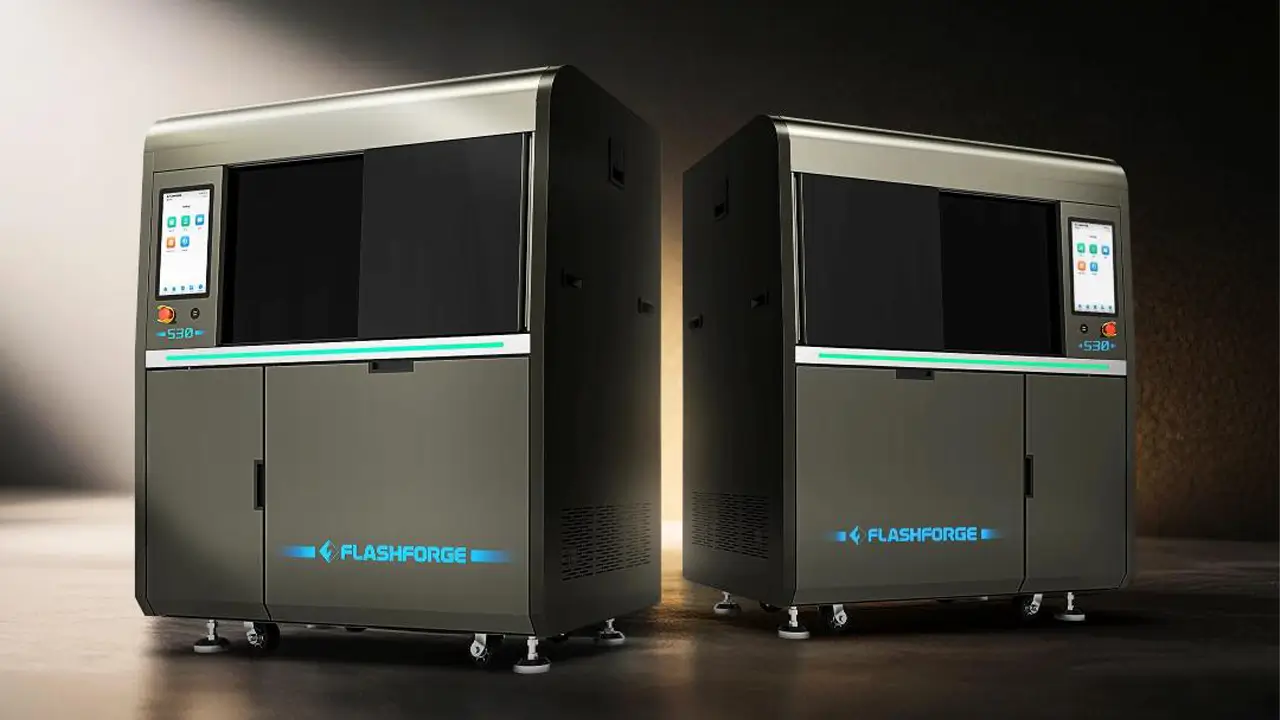
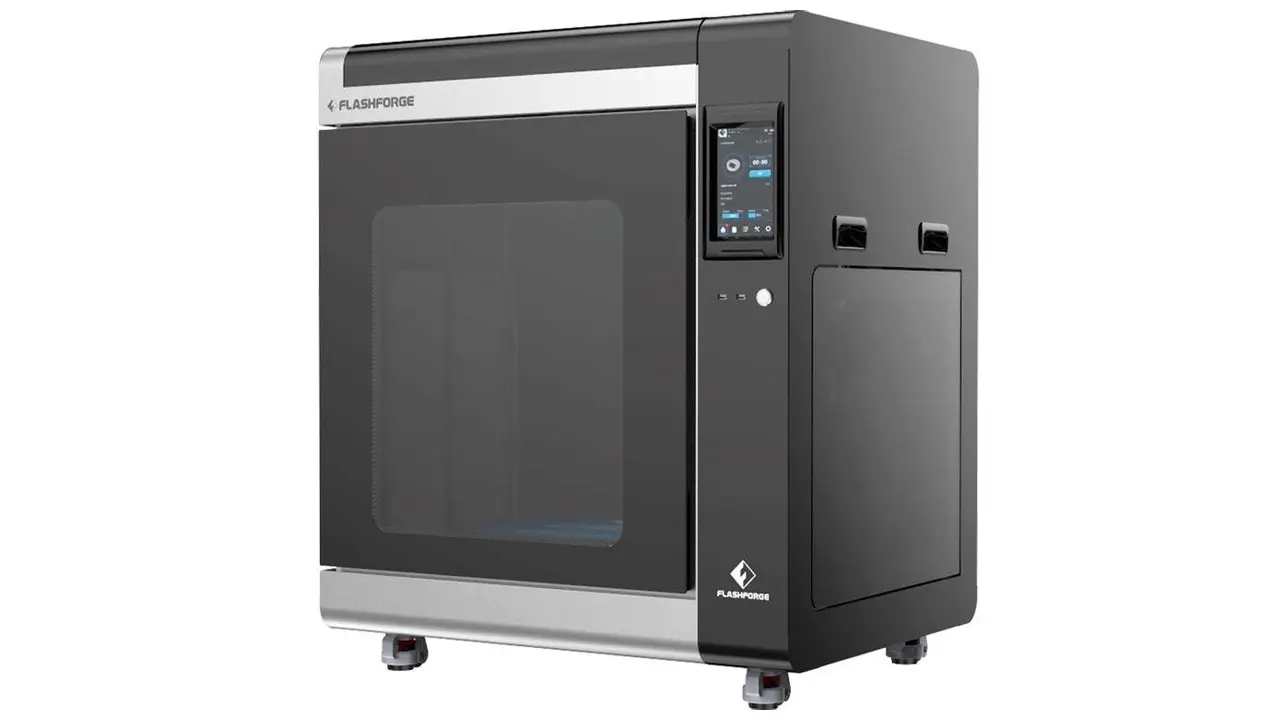
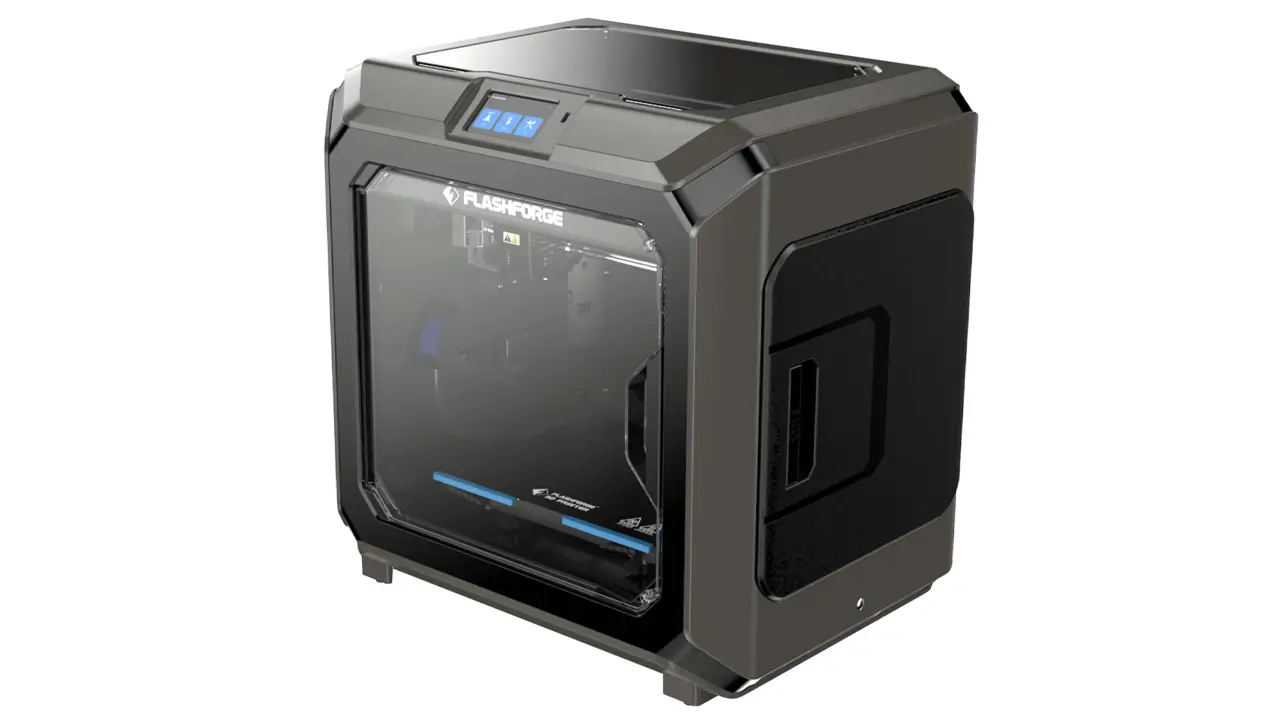
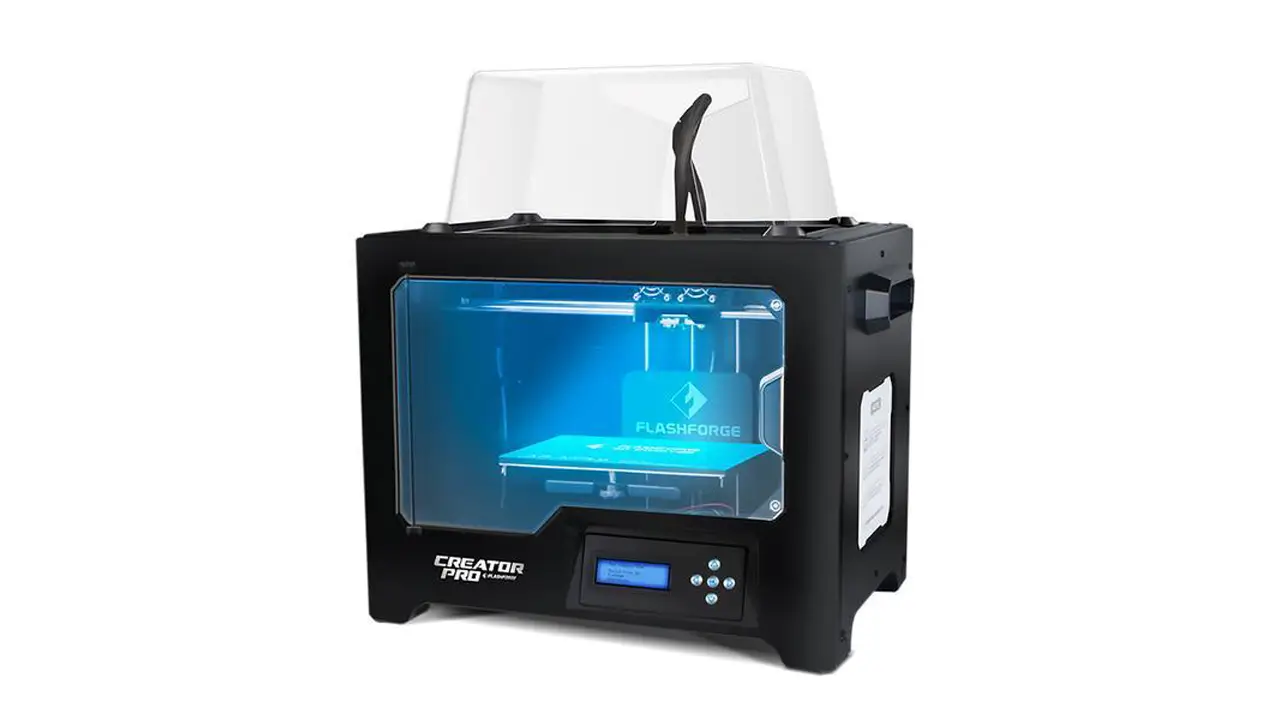
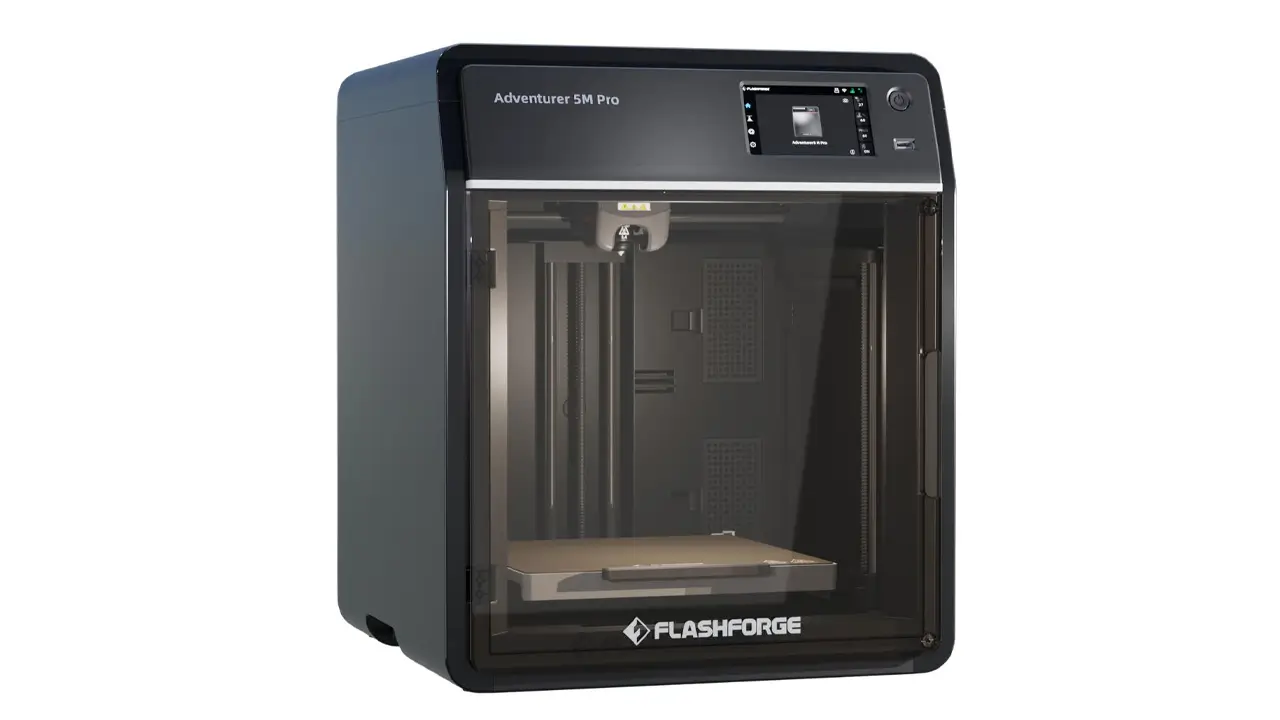
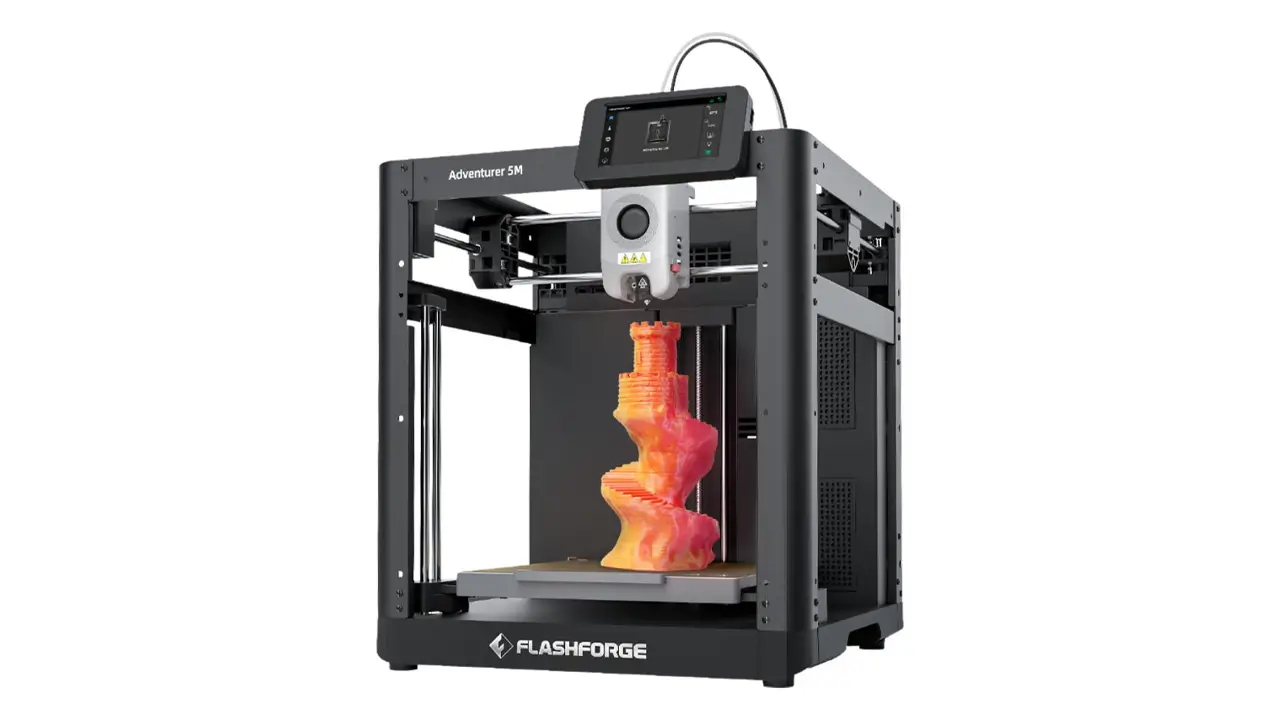
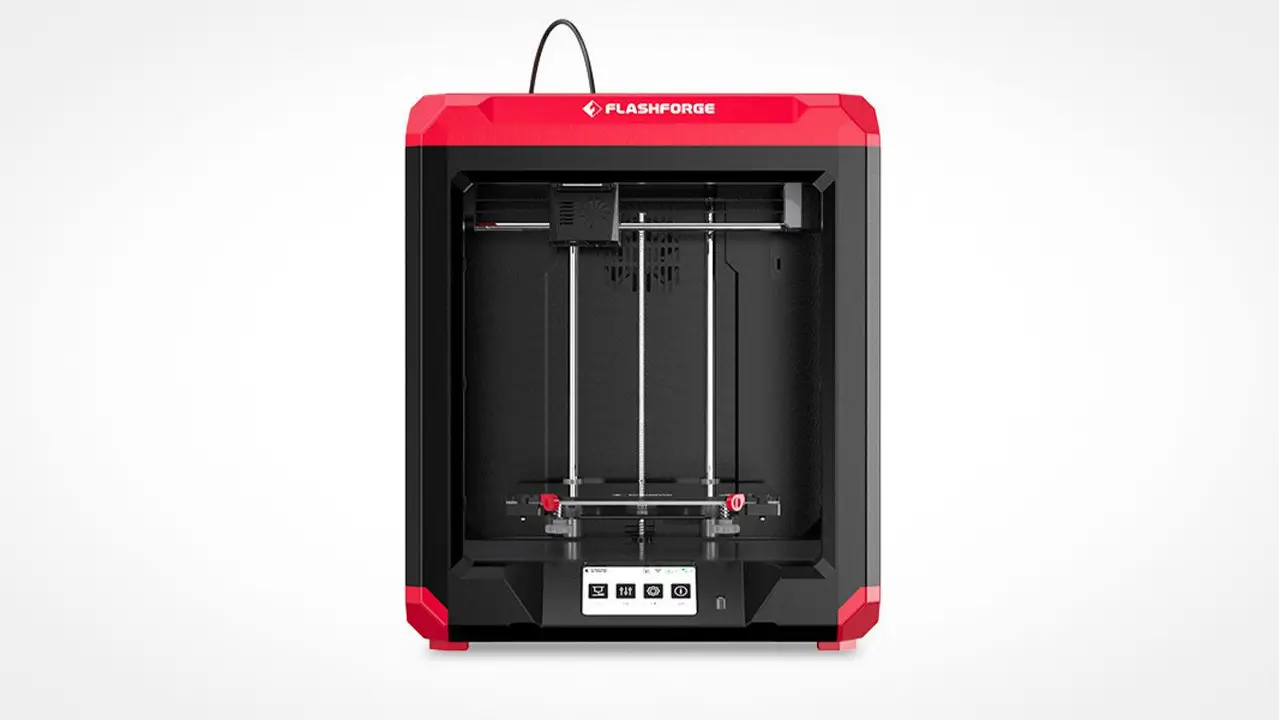
1. Introduction to the Flashforge 2026 Lineup
Flashforge is a well-established name in the desktop 3D printing space, having entered the market in 2011 with a strong focus on user-friendliness, safety, and fully enclosed design. Over the past 15 years, the company has shipped millions of units worldwide and earned a solid reputation for machines that are genuinely accessible without sacrificing technical depth.
The Flashforge 3D printer lineup spans a remarkably wide range — from beginner-friendly FDM desktop printers to advanced dual-extrusion systems and industrial-grade machines. What makes the brand particularly appealing is its consistent focus on usability without sacrificing technical capability. The company offers active community support, regular firmware updates, and tightly integrated software that makes the experience feel cohesive from start to finish.
In 2026, the market context has also shifted significantly. According to recent market research, the global 3D printing market reached approximately $29.3 billion in 2025 and is projected to maintain a compound annual growth rate exceeding 18% through 2026. Within that booming environment, Flashforge has responded by expanding into toolchanging multi-color systems, refining its workhorse Adventurer series, and pushing its industrial Guider range to new heights.
Rather than pursuing open-source flexibility or a hacker-centric philosophy, Flashforge centers its strategy around delivering stable, consistent machines with minimal setup and maintenance. That design philosophy runs through every product in the lineup — from the entry-level Finder all the way up to the Guider 3 Ultra. Features like automatic bed leveling, enclosed print chambers, quiet operation, and intuitive touchscreen interfaces come standard on newer models, making Flashforge particularly appealing to schools, libraries, families, and professional studios.
Flashforge Creator 5 Pro
Professional Dual Extrusion FDM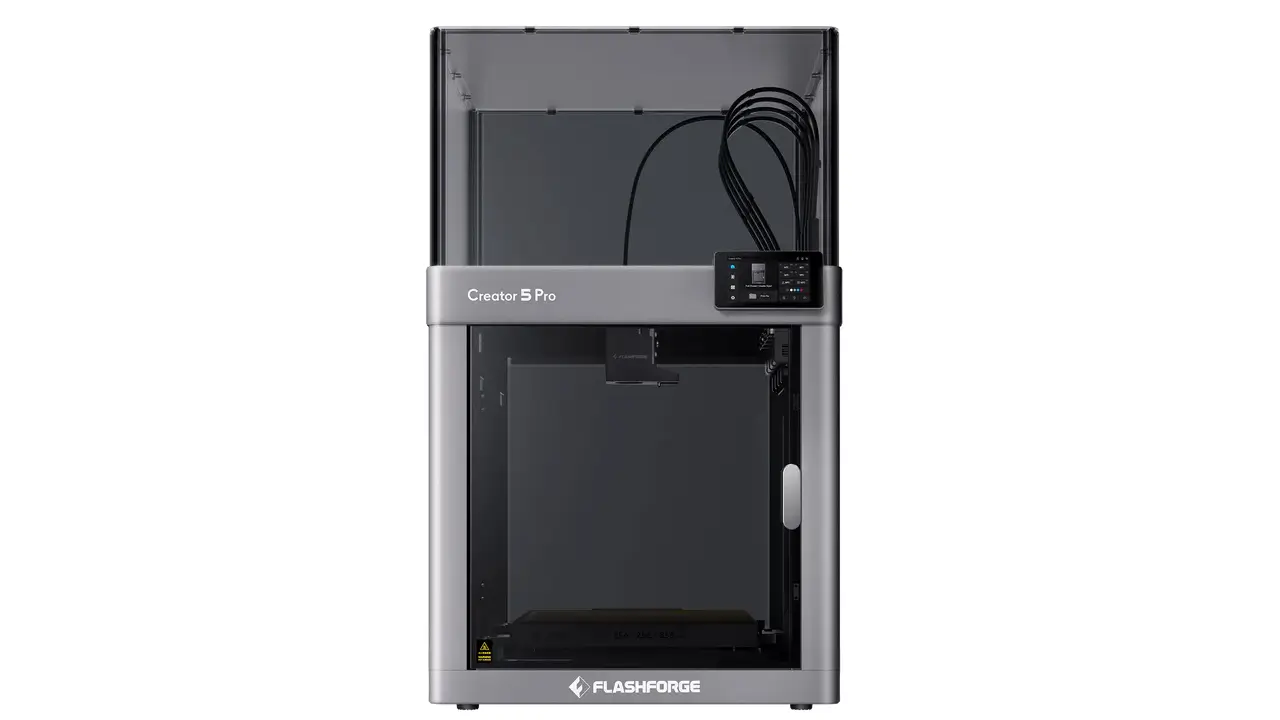
Advanced Professional FDM Printer
Premium dual extrusion 3D printer from Flashforge. Enhanced IDEX system, 300°C high-temp hotend, and advanced features for demanding professional applications.
2. Entry-Level Models: The Finder Series
Built for Beginners and Classrooms
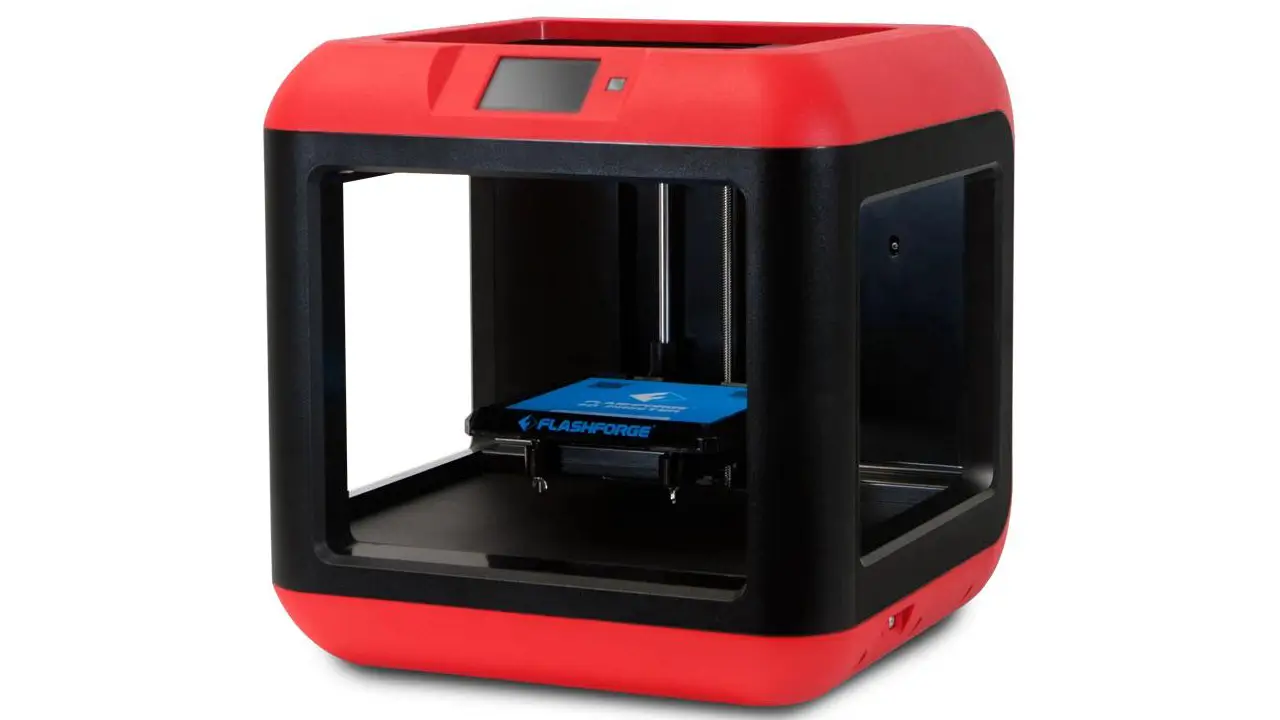
The Finder series is where most people’s Flashforge journey begins — and for good reason. The original Flashforge Finder debuted in 2015 as one of the first plug-and-play 3D printers designed with education and home use in mind. At a time when 3D printing felt overwhelming and overly technical, the Finder focused on safety, simplicity, and a smooth user experience. With its fully enclosed design, quiet operation, and guided touchscreen interface, it quickly found a place in schools, libraries, and homes around the world.
The current model, the Finder 3, takes that same spirit and upgrades nearly everything underneath. Compared with the Finder 2, the build volume has been increased by 270%, now sitting at 190 × 195 × 200 mm — compact, but more than sufficient for classroom projects, figurines, and basic prototypes. It features a 260°C high-temperature nozzle with broad filament compatibility, supporting PLA, ABS, HIPS, PETG, PETG PRO, and TPU 95A.
The Finder 3 also comes with a direct drive extruder, a heated glass bed, a flexible PEI magnetic build plate, a filament runout sensor, and power-loss recovery — a meaningful set of features for a printer in its price range. It arrives nearly fully assembled, so getting from unboxing to first print typically takes only a few minutes.
Who Should Buy the Finder 3?
The Finder series is ideal for absolute beginners, younger users, and educators who want a safe, no-fuss machine. It’s not designed to compete with the latest high-speed FDM systems — it’s designed to teach. If you’re buying a printer for a classroom or as someone’s very first 3D printing experience, the Finder 3 is a safe, reliable bet. However, if you already have some experience and want faster speeds, more material options, or a larger build volume, the Adventurer series will serve you much better.
3. Beginner to Prosumer: The Adventurer Series
The Most Popular Flashforge Line in 2026
The Adventurer series is without question the most talked-about and widely used Flashforge lineup in 2026. It has evolved from a simple enclosed beginner printer into a full family of high-speed CoreXY machines that punch well above their price points.
The Flashforge Adventurer 5M (AD5M) is explicitly positioned as the ideal starting point for new 3D printing users. It provides an immediate plug-and-play experience, designed to eliminate the complexity often associated with getting started. The AD5M features a CoreXY all-metal structure, a maximum print speed of 600 mm/s, a maximum acceleration of 20,000 mm/s², quick-detach nozzles available in 0.25 mm, 0.4 mm, 0.6 mm, and 0.8 mm diameters, a PEI build plate, automatic bed leveling, filament runout detection, power-loss recovery, and a 4.3-inch color touchscreen. The build volume is 220 × 220 × 220 mm — a solid standard size that handles the majority of everyday prints without issue.
The printer arrives 95% pre-assembled. Only the display arm and filament holder need to be attached, which typically takes about ten minutes from unboxing to first print. It supports PLA, PETG, and TPU filaments and works with FlashPrint, Orca-Flashforge, and the FlashMaker mobile app.
H3: The Step Up — Adventurer 5M Pro
The Adventurer 5M Pro (AD5M Pro) is the enclosed, more capable version of the 5M. The core specs are the same — 600 mm/s max speed, 20,000 mm/s² acceleration, 220 × 220 × 220 mm build volume — but the Pro adds a fully sealed enclosure, a dual-layer HEPA and activated carbon filtration system that captures 99% of particles and VOCs, an active internal circulation system that maintains chamber temperature for engineering filaments, and a built-in camera for remote monitoring and time-lapse recording.
The enclosure means the 5M Pro can handle not just PLA and PETG, but also ABS, ASA, PLA-CF, and PETG-CF composites. The nozzle temperature reaches 280°C, making it suitable for a broader range of materials. In 2026, the 5M Pro has increasingly been positioned as the go-to machine for home users and educators who care as much about air quality and noise levels as they do about print speed. The dual filtration system and silent operation mode (approximately 45–50 dB) make it genuinely comfortable to run in apartments, offices, and classrooms.
The Multi-Color Option — Adventurer 5X (AD5X)
For creators who want to go beyond single-color printing, the Adventurer 5X (AD5X) brings multi-filament capability to the Adventurer series. It supports up to four filaments in a single print job, making it well-suited for colorful figurines, artistic models, and educational displays. It’s been a consistent best-seller among makers who want eye-catching output without jumping to a more complex industrial system.
Flashforge
Jinhua, China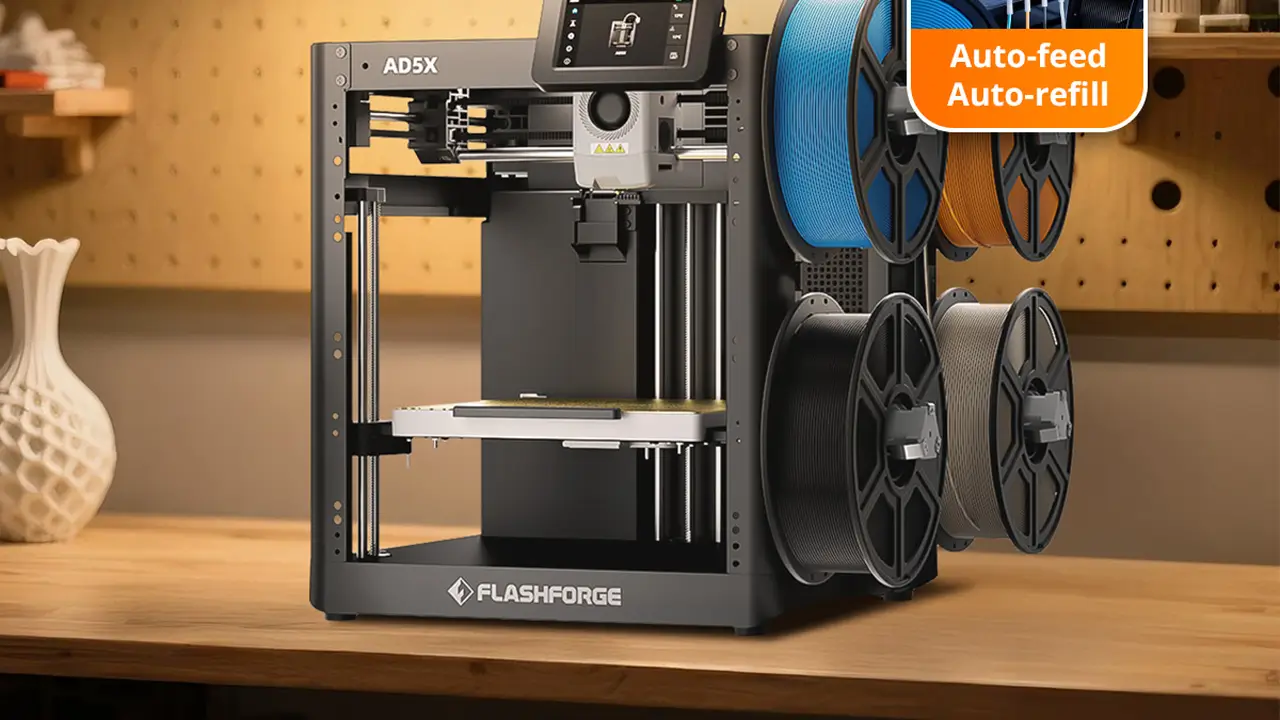
Industrial Stability
Industrial stability with intuitive controls. Reliable mechanics, enclosed enclosures for stable ABS and nylon printing, high-quality assembly for education and professional use.
4. Mid-Range Power: The Guider Series
Reliability at Scale
When you need more build volume, longer continuous print runs, and a higher level of professional reliability, the Guider series steps in. The flagship of this range in 2026 is the Guider 3 Ultra — a machine designed for professionals, service bureaus, and small production teams who print every day.
The Guider 3 Ultra is built around a CoreXY architecture with metal components that provide high rigidity, reducing errors from vibrations and mechanical shifts. The independently controlled X and Y axes minimize the looseness and inaccuracies common in traditional belt-driven systems, delivering greater precision and stability. Its build volume is a generous 330 × 330 × 600 mm — capable of accommodating models up to 600 mm tall, which dramatically reduces the need to split large projects into smaller parts.
Print speed reaches 500 mm/s with 20,000 mm/s² acceleration. The dual-extruder system allows printing with two different filaments simultaneously, enabling complex multi-material builds, dissolvable support structures, and dual-color models. Both hot ends reach a maximum temperature of 350°C, while the heated build plate reaches 120°C. This wide temperature range supports an extensive material library including PLA, PETG, ABS, ASA, TPU, PA, PAHT, PC, and carbon fiber composites.
Additional features include HEPA 13 air filtration, a built-in filament drying chamber, full auto-leveling, dual Z-axis ball screws for precision, a 7-inch touchscreen with over 65 controls, USB, Ethernet, and Wi-Fi connectivity, a built-in camera, power-loss recovery, auto shutdown after print completion, and filament runout detection with automatic spool switching.
Who Should Use the Guider 3 Ultra?
This machine is designed for professionals in manufacturing, engineering, design studios, and educational research labs where consistent quality over hundreds of hours of operation is non-negotiable. Its large build volume and dual-extruder capabilities make it particularly valuable for producing large-format prototypes, functional mechanical components, and batch production runs. The Guider 3 Ultra is priced at approximately $3,999 USD — a significant investment, but one that makes sense for teams replacing multiple smaller machines or outsourcing print jobs to a service bureau.
5. Dual Extrusion and Advanced Printing: The Creator Series
The Professional Dual-Extrusion Platform
The Creator series represents Flashforge’s most technically advanced desktop offerings, targeting engineers, designers, and small production teams who need multi-material workflows and engineering-grade material support.
The Creator 4 is a professional dual-extruder printer with an IDEX (Independent Dual EXtrusion) system. IDEX goes far beyond simply printing two colors. With the system active, one extruder can print the primary model material while the second simultaneously deposits a soluble support material. When the print is done, the supports can be dissolved in water (in the case of PVA) or a limonene solution (in the case of HIPS), leaving behind clean, complex geometry that would be impossible to achieve with standard breakaway supports alone. A duplication mode allows the two print heads to produce two identical copies simultaneously, effectively doubling output efficiency.
The Creator 5 Series — Toolchanging Arrives
The newest and most exciting addition to the Creator lineup is the Creator 5 series, which Flashforge launched as a direct response to growing demand for efficient multi-color and multi-material printing. Instead of relying on the purge-heavy filament-switching systems common on entry-level multi-color machines, the Creator 5 uses multiple interchangeable toolheads designed to reduce waste, speed up color changes, and support a wider mix of materials.
The Creator 5 features a FlashSwap toolchanging system, a 256 × 256 × 256 mm build volume, print speeds up to 600 mm/s, and support for up to four toolheads in a single print job. Launch pricing starts at $649 for the standard Creator 5 and $799 for the Creator 5 Pro.
The Creator 5 Pro adds a fully enclosed design with active chamber heating up to 65°C, continuous airflow cooling, reduced operating noise, and dual-layer air filtration. These additions make the Pro version more suitable for printing engineering-grade materials such as ABS, ASA, PC, and PA that benefit from a stable, temperature-controlled chamber.
In practical terms, the standard Creator 5 is best suited to general-purpose multi-color printing with PLA, PETG, and TPU, while the Creator 5 Pro is the choice for users who need advanced materials alongside multi-color capability.
6. Industrial Transition: The CJ Series
Where Desktop Ends and Industry Begins
For organizations that have outgrown desktop 3D printing and need something closer to a true manufacturing tool, Flashforge offers its CJ series of industrial-grade printers. These machines are engineered for environments where downtime is costly and print quality must remain consistent across hundreds of hours of continuous operation.
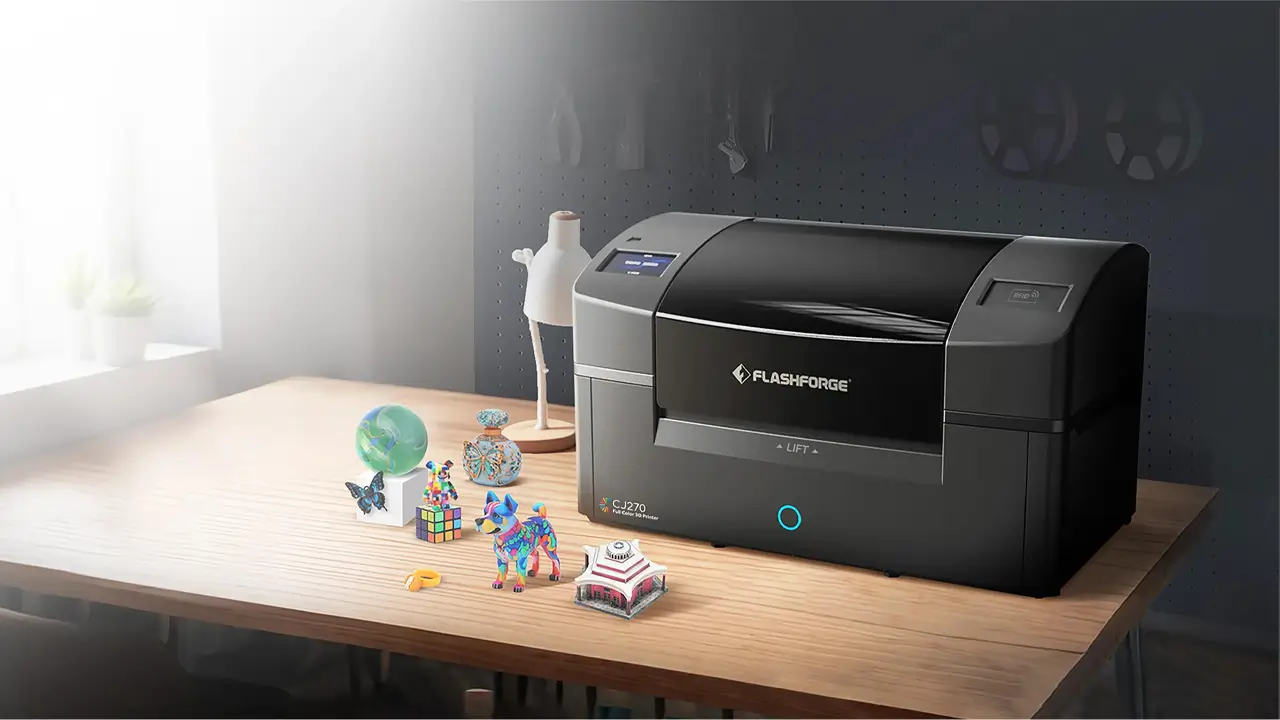
The CJ270 and its siblings in the CJ series are built for industrial workflows: high-temperature materials, large build volumes, enhanced environmental controls, and robust connectivity for fleet management. These systems support a wide range of engineering polymers and composite materials, and are designed to integrate into professional production environments rather than sit on a desktop.
The CJ series positions Flashforge as a serious player in the industrial additive manufacturing space, competing not just with consumer brands but with dedicated industrial 3D printing manufacturers. For companies evaluating whether to bring 3D printing in-house at a production level, the CJ series offers a compelling entry point that carries the reliability and software ecosystem of the broader Flashforge platform.
7. Desktop vs. Industrial: Understanding the Core Differences
Choosing the Right Tier for Your Needs
One of the most common points of confusion when evaluating the Flashforge lineup is understanding where the line between “desktop” and “industrial” actually falls. Here’s a clear way to think about it.
Desktop printers — the Finder, Adventurer, and entry-level Creator models — are optimized for individual use, ease of setup, and regular home or small office workflows. They are plug-and-play machines that prioritize user experience and accessibility. Their build volumes are generally compact to mid-size, their material support covers the most commonly used filaments, and their price points reflect a consumer-to-prosumer positioning.
Industrial machines — the Guider 3 Ultra and CJ series — are engineered for continuous operation, professional-grade material support, high precision over long runtimes, and integration into larger workflows. They feature robust structural designs, higher nozzle and bed temperatures, advanced filtration systems, fleet management connectivity, and support for demanding engineering polymers.
From an ROI perspective, the industrial tier makes sense when the cost of outsourcing print jobs to a service bureau exceeds the cost of ownership, or when production speed and consistency requirements can’t be met by desktop hardware. For most makers, educators, and small studios, the Adventurer or Guider series will be the sweet spot — capable enough to handle serious work, accessible enough to be operated without specialized training.
Need a professional website or SEO optimization?
Visit our web development studio for custom websites, SEO services, and digital solutions.
Go to Andreev Web Studio →8. Full Specs Breakdown: Interactive Comparison Table
Flashforge 2026 Lineup — Key Specifications at a Glance
The table below compares the core specifications of the main Flashforge models currently available. All data is sourced from official Flashforge product pages and verified third-party reviews.
| Model | Series | Build Volume (mm) | Max Speed | Max Nozzle Temp | Enclosure | Extruders | Filtration | Key Materials | Price (USD) | Best For |
|---|---|---|---|---|---|---|---|---|---|---|
| Finder 3 | Finder | 190 × 195 × 200 | 100 mm/s | 260°C | Yes | 1 (Direct Drive) | No | PLA, ABS, PETG, TPU, HIPS | ~$289–$499 | Kids, Education |
| Adventurer 5M | Adventurer | 220 × 220 × 220 | 600 mm/s | 280°C | No | 1 (Direct Drive) | No | PLA, PETG, TPU | ~$239–$299 | Beginners, Hobbyists |
| Adventurer 5M Pro | Adventurer | 220 × 220 × 220 | 600 mm/s | 280°C | Yes (Sealed) | 1 (Direct Drive) | HEPA + Carbon | PLA, PETG, ABS, ASA, PLA-CF, TPU | ~$379–$449 | Home, School, Studio |
| Adventurer 5X (AD5X) | Adventurer | 220 × 220 × 220 | 600 mm/s | 280°C | Optional | Multi-filament (4 colors) | Optional | PLA, PETG, TPU | ~$339–$549 | Multi-color Makers |
| Creator 5 | Creator | 256 × 256 × 256 | 600 mm/s | 280°C | No | 4 Toolheads (FlashSwap) | No | PLA, PETG, TPU | ~$649 | Prosumers, Studios |
| Creator 5 Pro | Creator | 256 × 256 × 256 | 600 mm/s | 300°C | Yes (Active 65°C) | 4 Toolheads (FlashSwap) | Dual-layer | PLA, ABS, ASA, PC, PA, PETG | ~$799 | Engineers, Small Production |
| Guider 3 Ultra | Guider | 330 × 330 × 600 | 500 mm/s | 350°C | Yes (Fully Enclosed) | 2 (Dual Extruder) | HEPA 13 | PLA, PETG, ABS, ASA, PA, PC, PAHT, CF | ~$3,999 | Professional / Industrial |
9. Price Segmentation and Value Analysis
H3: Budget Tiers Across the Lineup
One of the things Flashforge does better than most brands is maintain a logical, clearly defined pricing ladder. Each step up in price corresponds to a meaningful upgrade in capability, not just a cosmetic rebrand. Here’s how the lineup breaks down by budget tier.
Entry Tier — Under $500
This range covers the Finder 3 and the base Adventurer 5M. Printers at this level offer excellent value for beginners, families, and educational institutions. The Adventurer 5M in particular is arguably the best value proposition in the entire lineup — a CoreXY machine with 600 mm/s speed and auto-leveling for around $239–$299. For anyone getting started with 3D printing in 2026, this is the obvious starting point.
Mid-Range Tier — $400 to $799
The Adventurer 5M Pro, the AD5X, the Creator 5, and the Creator 5 Pro all fall in this range. This is the sweet spot for prosumers, home studio operators, and small businesses that need reliable, capable machines without stepping into industrial-grade pricing. The 5M Pro delivers excellent environmental controls and material versatility. The Creator 5 and 5 Pro introduce proper multi-color and multi-material workflows that were previously only available on much more expensive hardware.
Professional Tier — $1,000 and above
The Guider 3 Ultra at approximately $3,999 is the flagship of Flashforge’s professional desktop lineup. The investment is significant, but it makes clear financial sense for teams that would otherwise be outsourcing large-format, multi-material prints at high per-unit costs. When you’re running a service bureau, a design firm, or a small manufacturing operation, the Guider 3 Ultra pays for itself relatively quickly.
Best Value Picks by Use Case
For pure beginner value, the Adventurer 5M is the winner — fast, easy, affordable, and backed by an excellent software ecosystem. For the best all-around home or studio machine, the Adventurer 5M Pro strikes the ideal balance of enclosure, filtration, speed, and material support. For multi-color creative work, the AD5X or Creator 5 offer tools that inspire without requiring an engineering degree to operate. For production-grade output, nothing in the desktop Flashforge range matches the Guider 3 Ultra’s combination of build volume, precision, and material versatility.
10. Final Recommendations by User Type
For Beginners and Families
If you are brand new to 3D printing, the choice is simple: start with the Adventurer 5M. It sets up in ten minutes, levels itself, and starts printing immediately. The included slicer software — Orca-Flashforge — is intuitive and well-supported. You won’t be fighting the machine. You’ll be learning and creating from day one.
If safety is a top priority — for example, if children will be using the printer unsupervised — consider the Finder 3. Its smaller footprint, enclosed design, and simplified interface make it a purpose-built tool for younger users and classroom environments.
For Hobbyists and Home Creatives
For users who have moved past the basics and want to expand into ABS, ASA, or carbon fiber composites — or who simply want cleaner air while printing indoors — the Adventurer 5M Pro is the natural upgrade. The dual filtration system, enclosed chamber, and extended material support make it significantly more versatile than the base 5M, and the price difference is modest.
For hobbyists specifically interested in multi-color printing — figurines, display models, creative projects — the AD5X delivers four-color capability in a package that remains accessible and user-friendly.
For Small Businesses and Production Teams
The Creator 5 Pro is the most capable mid-range option for small studios and light production environments. Its four-toolhead FlashSwap system enables genuine multi-material workflows with far less filament waste than conventional multi-color setups, and the enclosed chamber with active heating handles engineering-grade materials reliably.
For teams that need true large-format output, consistent 24/7 operation, or the ability to print long structural components, the Guider 3 Ultra is the answer. Its 330 × 330 × 600 mm build volume, dual extruder system, HEPA 13 filtration, and precision to ±0.15 mm make it a legitimate production tool — not just a large desktop printer.
For Engineers and R&D Teams
Engineers working with demanding materials — nylon composites, polycarbonate, PAHT, or carbon fiber reinforced polymers — need two things: high nozzle temperatures and a stable, enclosed chamber. The Creator 5 Pro covers both with its 300°C nozzle and 65°C active chamber heating, while the Guider 3 Ultra goes further with a 350°C nozzle, 120°C bed, and a material library that includes over 20 filament types.
For rapid prototyping that demands dimensional accuracy, the Guider 3 Ultra’s precision to 0.05 mm (verified in independent ASA testing) and its dual Z-axis ball screw system provide the kind of consistency that engineering workflows require.
Final Thoughts
The Flashforge 2026 lineup tells a coherent story: a brand that started by making 3D printing approachable for everyone and has steadily evolved to cover nearly every use case from a child’s first print to a professional production environment.
What sets Flashforge apart in 2026 isn’t any single feature — it’s the coherence of the ecosystem. Every machine runs on compatible software. Every series shares a design philosophy of enclosure, safety, and low-maintenance operation. Upgrades feel natural rather than jarring.
Whether you pick up a $239 Adventurer 5M or invest in a $3,999 Guider 3 Ultra, you’re buying into a platform with years of firmware updates, active community support, and a manufacturer that clearly takes the reliability of its machines seriously.
The right Flashforge printer is simply the one that matches where you are today — and leaves room for where you want to go tomorrow.
🇺🇸 English
This is one of the most detailed and well-structured comparisons of Flashforge 3D printers I’ve seen. The interactive table makes it super easy to choose the right model. The site feels professional and trustworthy. Definitely bookmarking it for future research.
🇪🇸 Español
Excelente artículo, muy claro y bien organizado. La comparación de toda la línea Flashforge 2026 es muy útil, especialmente para principiantes. La web es rápida y fácil de navegar. Muy recomendable para cualquiera interesado en impresoras 3D.
🇸🇦 العربية
مقال رائع ومفصل للغاية حول طابعات Flashforge. الجدول التفاعلي يساعد بشكل كبير في فهم الفروقات بين النماذج المختلفة. الموقع احترافي وسهل الاستخدام. أنصح به لكل من يبحث عن معلومات دقيقة حول الطباعة ثلاثية الأبعاد.
🇨🇳 中文 (Chinese)
这篇文章对Flashforge 2026系列的对比非常全面,信息清晰且易于理解。交互式表格非常实用,让选择打印机变得更简单。网站内容专业,非常值得信赖。
🇫🇷 Français
Très bon article, bien structuré et informatif. La comparaison complète de la gamme Flashforge 2026 est particulièrement utile. Le site est moderne, rapide et agréable à utiliser. Une excellente ressource pour les passionnés d’impression 3D.
🇩🇪 Deutsch
Ein sehr informativer und gut aufgebauter Artikel. Der Vergleich der gesamten Flashforge-Serie 2026 ist äußerst hilfreich. Die Website wirkt professionell und benutzerfreundlich. Perfekt für alle, die sich für 3D-Druck interessieren.
Flashforge Creator 5
Series
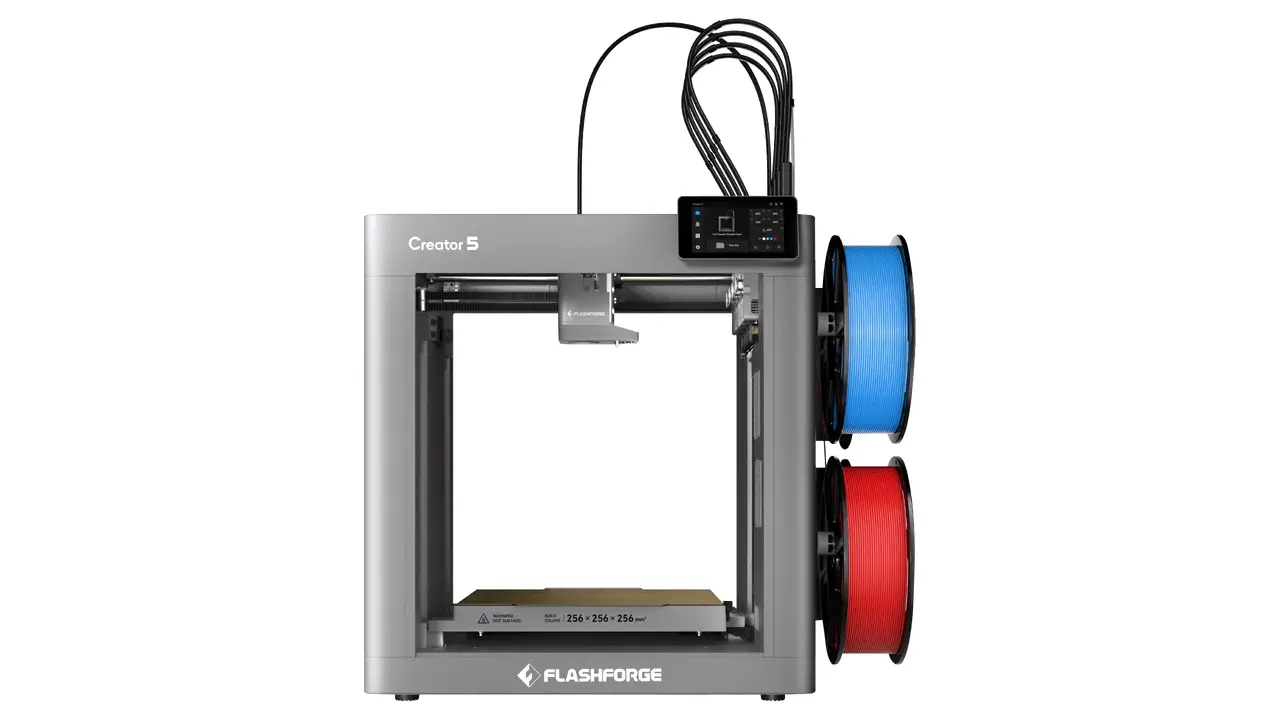
Creator 5
Professional dual extrusion 3D printer with IDEX system, auto-leveling, and enclosed chamber for reliable multi-material printing.
- Independent Dual Extrusion (IDEX)
- Auto Bed Leveling
- Enclosed Design
- WiFi Connectivity
Creator 5 Pro
Advanced professional model with enhanced features, higher temperature hotend, and premium components for demanding applications.
- 300°C High-Temp Hotend
- Advanced IDEX System
- Filament Runout Sensor
- Power Loss Recovery
Related
Discover more from bestchina3dprinters.com
Subscribe to get the latest posts sent to your email.
